

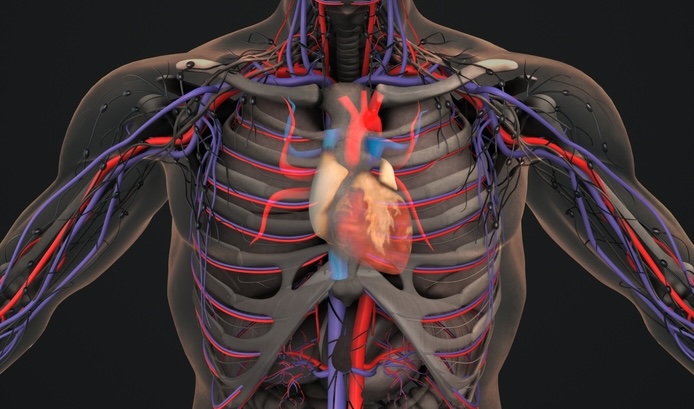
 Your spine needs healthy circulation to function properly and maintain flexibility. Poor blood flow to spinal tissues can lead to stiffness, discomfort, and slower healing. Fortunately, several practical lifestyle habits—from staying active and stretching to maintaining good posture and seeking professional care—can significantly improve circulation around your spine and support better overall spinal health.
Why Blood Flow to the Spine Matters
Spinal structures depend on healthy circulation to stay strong and flexible. The intervertebral discs, surrounding muscles, ligaments, and nerves rely on oxygen and nutrients delivered through blood.
When circulation improves, it can help:
- Deliver nutrients to spinal discs and joints
- Support muscle recovery and flexibility
- Reduce stiffness and inflammation
- Improve mobility and posture
- Promote natural healing in spinal tissues
Poor circulation around the spine can contribute to discomfort, muscle tightness, and slower recovery after strain or injury.
Common Factors That Reduce Spinal Circulation
Several everyday habits can affect blood flow to the spine.
| Factor | How It Affects the Spine |
|---|---|
| Prolonged sitting | Reduces circulation to spinal muscles and discs |
| Poor posture | Compresses spinal structures and restricts blood flow |
| Lack of movement | Slows circulation and weakens supporting muscles |
| Dehydration | Affects disc hydration and tissue health |
| Muscle tension | Tight muscles limit circulation around the spine |
Recognizing these factors is the first step toward improving spinal health.
1. Stay Physically Active
Regular movement is one of the most effective ways to increase blood flow to the spine. Physical activity stimulates circulation, delivering oxygen and nutrients to muscles and joints.
Low impact activities such as walking, swimming, or cycling can help maintain spinal flexibility while supporting circulation.
Even short movement breaks during the day can improve blood flow, especially if you spend long hours sitting.
2. Practice Gentle Stretching
Stretching helps loosen tight muscles around the spine. When muscles relax, blood can move more freely through the surrounding tissues.
Simple stretches that target the back, hips, and hamstrings may help support spinal circulation. Many people find relief with daily stretching routines that focus on mobility and flexibility.
3. Maintain Good Posture
Posture affects how pressure is distributed across the spine. Slouching or leaning forward for long periods can compress muscles and reduce circulation.
Sitting with your shoulders relaxed, back supported, and feet flat on the floor allows better blood flow around the spine.
If you work at a desk, adjusting chair height and screen position can make a noticeable difference.
4. Stay Hydrated
Spinal discs contain a high amount of water. Proper hydration helps maintain disc health and flexibility.
Drinking enough water throughout the day helps keep tissues hydrated and supports circulation. Hydrated tissues allow nutrients to move more easily throughout the body, including the spine.
5. Strengthen Core Muscles
The muscles in your abdomen and lower back support the spine. When these muscles are strong, they help stabilize the spine and improve circulation to surrounding tissues.
Exercises that target the core, such as planks or controlled stability movements, may help support better blood flow and spinal alignment.
Click here to continue reading
Original article published on spinedocs.org