

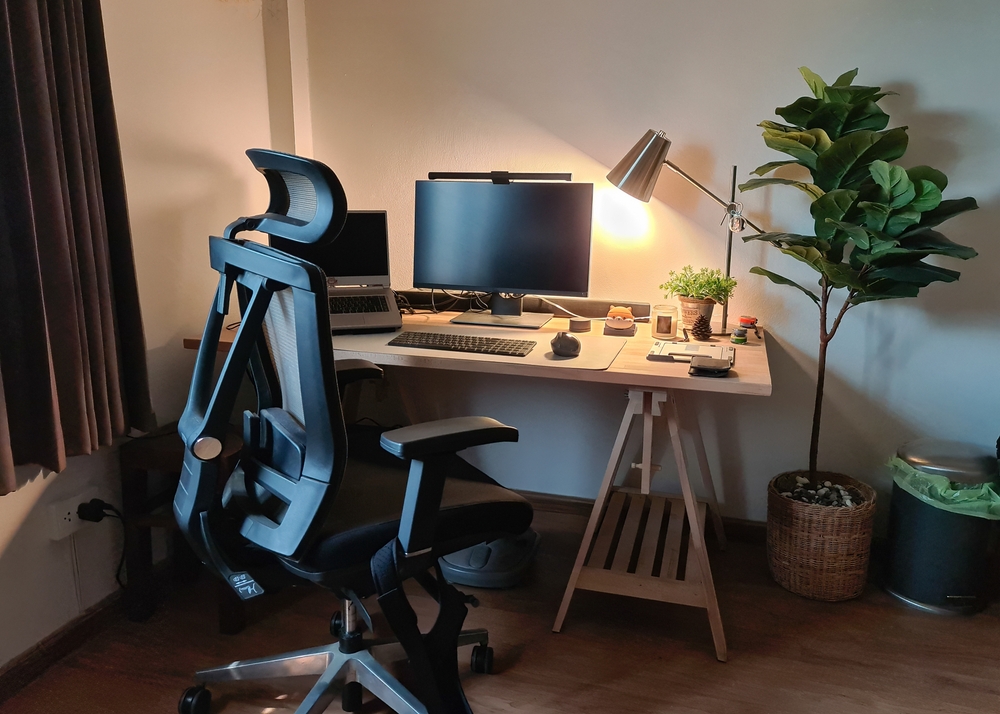
 In today’s modern office environment, spending long hours seated at a desk is common, but it can take a toll on our health, particularly our spine. An ergonomic chair plays a crucial role in promoting better posture and reducing back pain. A well-designed chair that supports the natural curve of your spine helps distribute your weight evenly, minimizing pressure on your lower back. This improved posture not only alleviates discomfort but also enhances your overall productivity and focus throughout the workday.
A functional chair is central to maintaining a healthy spine. Look for a chair with adjustable height, lumbar support, and a seat depth that suits your body. These features ensure that your back is well-supported, reducing the risk of developing chronic pain. Proper armrest adjustment is also essential; your elbows should be at a 90-degree angle to prevent strain on your shoulders and neck. By investing in a functional chair, you can create a more comfortable and health-conscious workspace.
Additionally, the placement of your feet and arms is vital for ergonomic seating. Keep your feet flat on the floor or on a footrest to maintain a neutral spine position. Your knees should be at a right angle, with your thighs parallel to the floor. Adjust your armrests so your arms rest comfortably without hunching your shoulders. These small adjustments can prevent muscle fatigue and tension, contributing to a pain-free working experience.
Incorporating an ergonomic chair into your daily routine is a proactive approach to spine health and overall well-being. It prevents long-term damage and chronic pain, allowing you to enjoy a more active and pain-free lifestyle. Remember, your office setup significantly impacts your physical health, so take the time to evaluate and improve your seating arrangement. Prioritizing ergonomics at work leads to a healthier spine, reduced discomfort, and enhanced quality of life.