
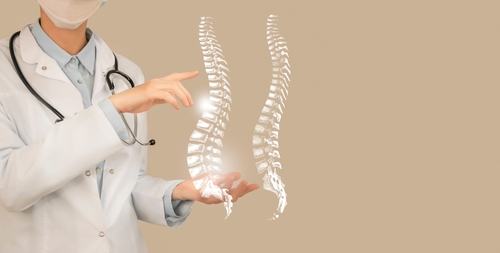
 What is Spondylosis? Spondylosis refers to the age-related degeneration of the spine, affecting the vertebrae, discs, and joints. While many individuals may not experience noticeable symptoms, others can develop pain, stiffness, and reduced mobility that impact their daily lives. In this blog, we’ll explore what causes spondylosis, its common symptoms, and the treatment options available to manage the condition and improve quality of life. Continue reading to learn more about what Spondylosis is, how to prevent it, and how to treat it!
Spondylosis is a general term for degenerative conditions that affect the disks, vertebrae, and joints in the back. Back pain is a common symptom.
Spondylosis is a common age-related condition that affects 90% of people over 60 years. It is more common in people with physical jobs, athletes, and people who smoke.
Many people do not realize they have spondylosis as they do not have symptoms. Other people develop pain in the back and neck that can affect their quality of life.
This article discusses the symptoms, causes, treatment, and prevention of spondylosis.
What is spondylosis?
Spondylosis refers to age-related degeneration of the spine. This condition affects various components of the spine, including:
- Vertebrae, or the bones of the spine
- Intervertebral disks, or the cushions between vertebrae
- Ligaments
- Muscles
As people age, the disks that sit between the vertebrae of the spine become dehydrated and weak. This can cause the spine to compress, and the disks may crack, causing them to herniate. This is a herniated or “slipped disk“. The cartilage in the spine’s joints may also wear out, causing bone spurs.
When spondylosis affects the upper spine and neck, it is called cervical spondylosis. When the lower spine, or lumbar spine, is affected, it is lumbar spondylosis.
Which conditions does spondylosis include?
Spondylosis is an umbrella term that encompasses the following:
- Spinal stenosis
- Degenerative spondylolisthesis
- Osteoarthritis
- Usual wear and tear on the disks, vertebrae, and joints
- Injuries
If spondylosis specifically affects the joints, it is called facet syndrome or facet arthropathy.
Risk factors of back spondylosis
People may have a higher risk of spondylosis if they have any of these risk factors:
- Ages 60 years or over
- Osteoarthritis
- Neck or back injury
- History of playing physically demanding sports
- A physically demanding job that strains the back
- Previous spinal surgery
- Obesity
- Smoking
- Lack of physical activity
What are the symptoms of spondylosis?
Many people with spondylosis do not experience symptoms, but common symptoms include:
- Lower back pain
- Reduced flexibility and range of motion in the neck and back
- Crepitus, which is clicking sounds from the spine
- Pain radiating to the arms or legs, which happens when there is pressure on nerves near the spine
- Numbness, tingling, or weakness in the legs, feet, or hands
- Muscle spasms
- Headaches
- in severe cases, bladder and bowel incontinence — this may be a medical emergency if it occurs suddenly
How is back spondylosis diagnosed?
Someone with back pain can talk with their primary doctor about their symptoms. In some cases, the doctor will refer them to a specialist, such as an orthopedist or physical therapist.
The first steps in diagnosing spondylosis are:
- A physical exam
- A medical history review
- Diagnostic tests, such as blood tests, to help rule out other conditions
During a physical exam, a doctor may observe how a person walks to assess stiffness and range of motion. They may also feel the neck and back to identify tender areas where spondylosis might be occurring. Tests to assess a person’s neurologic function, such as checking reflexes, may also be necessary.
A doctor may then recommend imaging scans, such as X-rays, MRI, and CT scans, which may reveal issues such as a bulging or herniated disk or bone spurs.
What are some treatments for back spondylosis?
Treatment for spondylosis depends on the underlying cause and the severity of the symptoms. Surgery may benefit some people, but doctors typically only recommend it when nonsurgical options have not improved symptoms.
Treatments for mild spondylosis may include:
- Modifying movements: A person must avoid movements that may aggravate the affected area, such as bending, twisting, and lifting heavy objects.
- Physical therapy: People can practice exercises to strengthen the muscles around the spine and improve flexibility.
- Pain-relief medications: People can use pain-relief medications, such as acetaminophen and nonsteroidal anti-inflammatory drugs (NSAIDs), which also help reduce inflammation.
- Heat and ice therapy: Alternating the use of a heating pad and cold compress can help reduce inflammation and boost circulation.
- Spinal injections: Doctors may recommend an epidural steroid injection to reduce swelling and pressure on the nerves to reduce pain.
Surgery for back spondylosis
When conservative treatments are unsuccessful, doctors may recommend surgery to:
- Remove bone spurs
- Place spacers in between the vertebrae to compensate for worn disks and alleviate nerve compression
- Remove thickened soft tissues that may be pressing on nerves
- Fuse vertebrae together to stabilize the spine
Complementary therapies for spondylosis
Studies suggest that complementary therapies may offer relief from spondylosis symptoms. Examples include:
- Acupuncture
- Chiropractic treatment
- Soft tissue massage
- Mind-body interventions involving movement, such as qigong, tai chi, and yoga
- Ultrasound therapy
- Transcutaneous electrical nerve stimulation (TENS)
Is it possible to prevent spondylosis?
People can take steps to reduce their chances of developing spondylosis, but preventing age-related changes is not always possible. Lifestyle measures that may help include the following:
- Exercise: Be physically active and incorporate flexibility training, such as pilates, with strength training to increase bone density.
- Posture: Practice good posture, especially when sitting for long periods. Avoid sitting in the same position for too long.
- Weight: Maintain a moderate weight to avoid putting pressure on the spine
- Diet: Eat a nutritious diet that includes plenty of calcium and vitamin D for bone health.
- Rest: Allow the body to rest and try to get at least 7 hoursTrusted Source of good quality sleep each night.
- Avoid injuries: Adopt the correct form when exercising and take steps to prevent injuring the back or neck.
When to contact a doctor about back pain
A person should contact a doctor about their back pain if:
- It does not improve after several weeks of home treatment
- It is severe or worsens over time
- It is getting in the way of daily activities
- They develop the following symptoms:
- Numbness, tingling, or weakness in the legs
- Difficulty walking or maintaining balance
- Loss of bowel or bladder control
Summary
Spondylosis is an umbrella term for age-related changes in the spine. The intervertebral disks can wear down over time, affecting surrounding tissues and nerves and causing pain.
Treatments for mild spondylosis pain include hot and cold therapy, pain relief medications, and epidural steroid injections. In severe cases, doctors may recommend surgery to address the underlying cause of pain.
If people experience persistent back pain or related symptoms, they may wish to see a doctor for treatment advice.
Click here to continue reading
Original article published on medicalnewstoday.com