
 Maintaining a healthy spine is essential for overall mobility, comfort, and quality of life. The spine supports the body’s structure, protects the spinal cord, and enables a wide range of movements. Regular exercise for spine health is one of the most effective ways to prevent back pain and long-term injury. By strengthening supporting muscles and improving flexibility, exercise helps the spine remain resilient under physical stress. Understanding which types of exercise best support spinal wellness can make a significant difference in daily comfort and long-term well-being.
Strengthening Core Support
A strong core provides the foundation for a healthy spine. The muscles surrounding the abdomen, lower back, and pelvis stabilize the spine and reduce strain during movement. Exercises such as planks, bridges, and controlled crunches engage these key muscles and improve postural control. Building core strength through consistent, low-impact routines can alleviate tension in the lower back and improve spinal alignment. Over time, this reduces the likelihood of developing chronic pain or spinal injuries associated with poor posture or muscle imbalance.
Improving Flexibility and Mobility
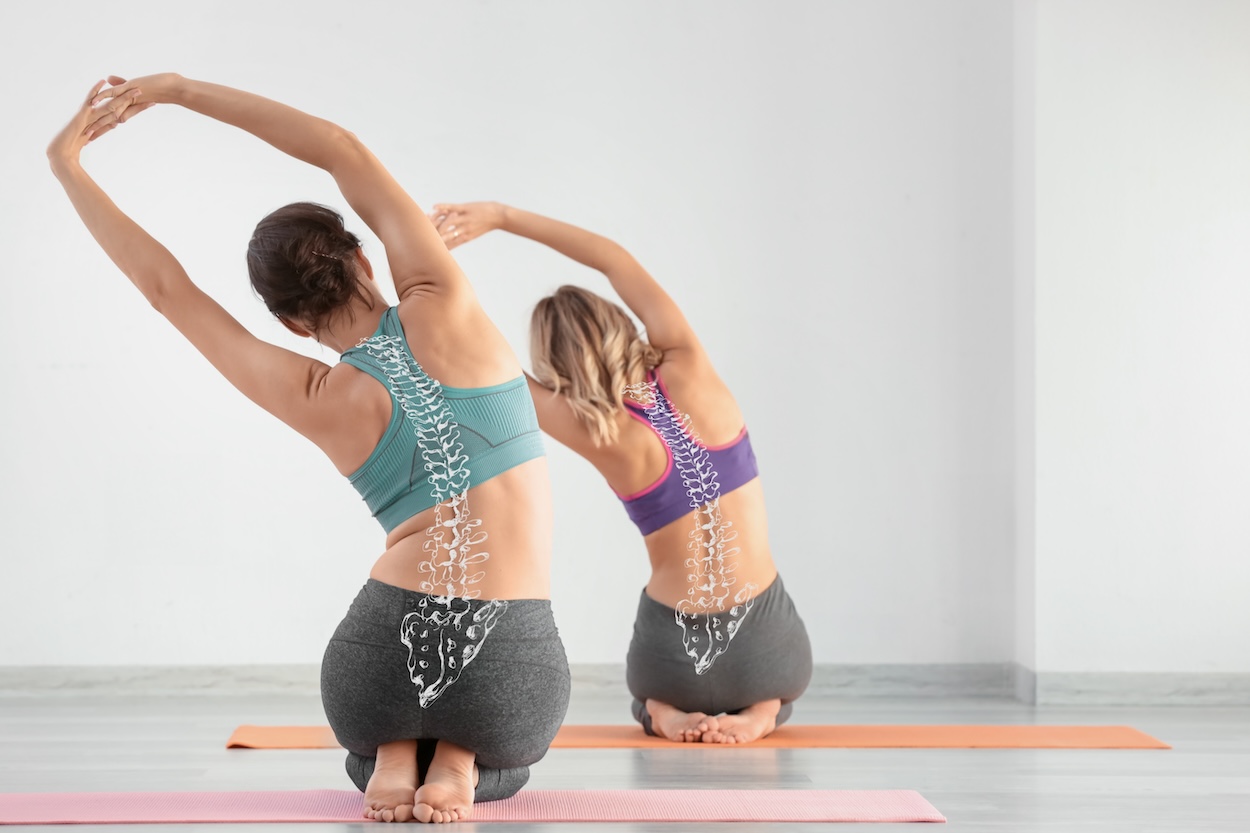
Flexibility and mobility exercises play a crucial role in maintaining spine health. Stretching the hamstrings, hip flexors, and lower back muscles can relieve tension that contributes to spinal discomfort. Practices like yoga and Pilates emphasize gentle movement and controlled stretching that support proper alignment. These exercises also enhance range of motion, allowing the spine to move freely without unnecessary stress. Incorporating flexibility work into a routine complements strength training and helps maintain balance between muscle groups.
Promoting Postural Awareness
Poor posture is one of the most common contributors to spinal strain. Regular exercise for spine health encourages body awareness and helps correct imbalances caused by sitting or standing improperly. Activities like resistance training and balance exercises train the body to maintain correct spinal alignment throughout movement. Over time, this awareness translates to improved posture in everyday activities, such as working at a desk or lifting objects. Better posture reduces compression on spinal discs and joints, helping prevent injury.
Supporting Circulation and Recovery
Exercise promotes better blood flow, which delivers oxygen and nutrients to spinal tissues. This improved circulation aids in the repair of muscles and ligaments that support the spine. Low-impact aerobic activities such as walking, swimming, and cycling are particularly beneficial, as they stimulate circulation without placing excessive strain on the back. These exercises also enhance endurance, helping individuals sustain physical activity safely and effectively. Regular movement keeps spinal tissues healthy and reduces stiffness that can lead to discomfort or injury.
Preventing Long-Term Spinal Issues
Consistent exercise not only addresses current back discomfort but also prevents long-term spinal degeneration. Engaging in a balanced routine that includes strength, flexibility, and aerobic training helps maintain the integrity of spinal discs and joints. Regular movement prevents muscle atrophy and supports healthy bone density, both of which are vital for spine stability. This proactive approach reduces the likelihood of conditions such as herniated discs and chronic lower back pain. Over time, regular exercise for spine health becomes one of the most effective preventive measures against spinal injury.
Building a Lifetime of Spine Strength
Developing and maintaining a regular exercise routine is a practical investment in spinal wellness. By focusing on strengthening, flexibility, posture, and circulation, individuals can protect their spine and enhance daily function. Staying active doesn’t require intense workouts—consistency and mindful movement are what matter most. With professional guidance from specialists like those at Prairie Spine, maintaining spine health through exercise can lead to a stronger, more resilient body for years to come.