

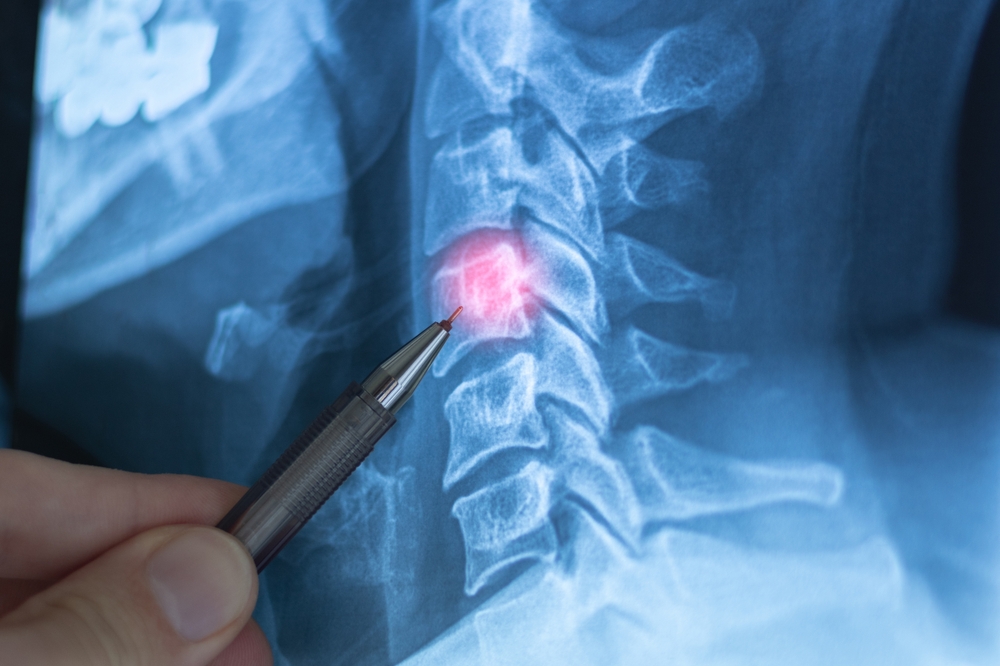
 Your spinal discs are among the most important structures in your body, yet many people give them little thought until problems arise. These gel-filled cushions sit between your vertebrae and absorb shock while allowing your spine to move flexibly. Understanding spinal disc health is essential for preventing injury, managing pain, and maintaining mobility as you age. Poor disc care can lead to herniation, degeneration, and chronic discomfort that impacts your daily life. This guide explains how your discs function, what goes wrong, and how to keep them healthy for years to come.
How Spinal Discs Function
Each spinal disc consists of two main components: a tough outer layer called the annulus fibrosus and a soft inner core called the nucleus pulposus. The nucleus pulposus acts like a water balloon, maintaining hydration and distributing pressure evenly across the disc. This design allows your spine to absorb impacts from walking, running, and sitting while remaining flexible enough for bending and twisting. The discs are not supplied with blood vessels, so they rely on movement and proper nutrition to stay healthy. When you remain inactive or maintain poor posture, your discs lose hydration and become more susceptible to injury.
Common Spinal Disc Problems
Spinal disc health can be compromised in several ways, with disc herniation being one of the most common issues. When the outer layer weakens, the inner gel can protrude outward and press against nerves, causing pain and numbness. Disc degeneration occurs naturally with age as discs lose water content and become less flexible and more prone to cracking. Bulging discs occur when the entire disc extends beyond its normal boundaries without rupturing completely. These conditions range from asymptomatic to severely painful, depending on whether nerves are compressed and the extent of the damage.
Risk Factors for Disc Damage
Several lifestyle and biological factors increase your risk of developing disc problems that compromise spinal disc health. Smoking reduces blood flow to discs and accelerates degeneration, making smokers significantly more prone to disc issues. Repetitive heavy lifting, especially with poor form, places excessive stress on discs over time and can cause structural damage. Prolonged sitting compresses discs and reduces their nutrient supply, contributing to degeneration and loss of hydration. Age naturally increases disc vulnerability, as does obesity, which adds extra pressure to your spine and discs daily.
Daily Habits for Disc Protection
Maintaining spinal disc health requires consistent attention to posture, movement, and daily activities. Take frequent breaks from sitting, ideally every 30 minutes, to give your discs relief from compression and allow fluid redistribution. Practice proper lifting techniques by bending at your knees, keeping your back straight, and holding objects close to your body. Regular exercise, particularly activities that strengthen your core muscles, provides essential support for your spine and discs. Staying hydrated helps your discs maintain their water content and structural integrity throughout the day.
Professional Treatment and Prevention
When disc problems develop, professional care from a spine specialist can help you manage pain and prevent further damage. Physical therapy targets muscle imbalances and weakness that contribute to poor spinal support and disc stress. Anti-inflammatory medications and epidural injections can provide relief while your body heals and you implement lifestyle changes. Chiropractic care, including spinal adjustments, may help improve alignment and reduce pressure on affected discs. In severe cases where conservative treatment fails, surgical interventions may be necessary to repair or remove damaged disc material.
Protecting Your Discs Long Term
Long-term spinal disc health depends on making sustainable changes to how you move, work, and care for your body. Invest in an ergonomic office setup if you spend hours sitting, with proper monitor height and lumbar support to reduce disc compression. Incorporate stretching and flexibility work into your routine, as tight muscles pull your spine out of alignment and strain your discs. Maintain a healthy weight to reduce unnecessary load on your spine and discs throughout the day. Regular check-ups with your healthcare provider help catch early signs of disc problems before they progress to serious conditions.
Maintaining Your Spinal Health Starts Now
Spinal disc health is not something you can take for granted, as discs cannot repair themselves once significantly damaged. By understanding how your discs work and recognizing risk factors, you can take proactive steps to preserve their function. The habits you develop today directly influence your mobility, comfort, and quality of life in your later years. Start implementing these strategies now to build a foundation of strong spinal health that supports you throughout your life.