

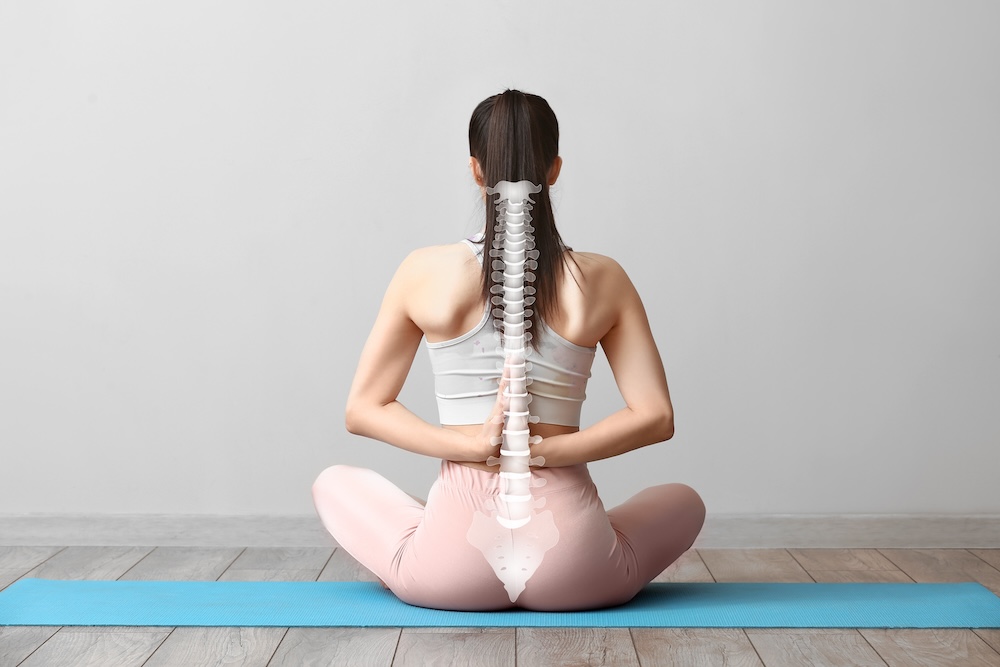
 The connection between your core muscles and spinal health is well established in clinical research. A strong core provides structural stability that helps distribute forces evenly throughout your torso. This reduces unnecessary strain on the vertebrae and surrounding tissues. Many people overlook how essential these muscle groups are in everyday movements such as standing, walking, and lifting. Understanding this link makes it easier to adopt routines that improve core strength and overall spinal well-being.
Understanding Core Anatomy
The core includes muscles of the abdomen, lower back, pelvis, and hips. These muscles work together to stabilize the spine during both static postures and dynamic movements. When any part of this system is weak, the body compensates by shifting load to the spine. Over time, this compensation may contribute to discomfort or reduced mobility. Strengthening the entire system builds balanced support that benefits posture and reduces daily strain.
How Stability Protects the Spine
Core stability limits excessive spinal motion, which can help prevent overstretching of ligaments and irritation of joint structures. Stable core muscles act as a natural brace during lifting, bending, or twisting. This allows the spine to move efficiently within its normal range. Research shows that individuals with stronger core activation tend to experience fewer mechanical back issues. Using exercises that encourage slow and controlled movement can gradually build this protective strength.
Safe Beginner Movements
Several beginner exercises are both accessible and effective for enhancing core function. Pelvic tilts are a gentle way to activate deep abdominal muscles without overloading the spine. Bridges help engage the glutes and lower back, contributing to improved pelvic alignment. Modified planks allow users to strengthen muscles while keeping pressure manageable. Performing these movements with proper control supports gradual improvement without increasing risk.
Tips for Proper Form
Maintaining slow movement and controlled breathing improves exercise effectiveness. Keeping the spine in a neutral position helps target the correct muscle groups. Beginners should avoid holding their breath, as this can create unnecessary pressure in the torso. Using a comfortable surface or mat reduces tension in the hips and lower back. Over time, consistent attention to form results in stronger and more stable core engagement.
Integrating Training into Routine
Short, regular sessions are more effective than occasional intensive workouts. Adding core exercises to an existing routine can make long-term consistency easier. Many individuals find that brief sessions before or after a walk fit well into their schedule. Tracking progress with simple notes can help maintain motivation. As strength improves, additional exercises can safely expand the routine without overwhelming the spine.
Building Long-Term Strength
Developing core strength is a gradual process that supports spinal health over the long term. Consistency and proper technique are key factors in achieving durable improvements. When practiced regularly, these exercises enhance overall function and reduce the likelihood of spine-related discomfort. Including the concept of core spine support in your wellness plan encourages steady progress backed by sound science.