

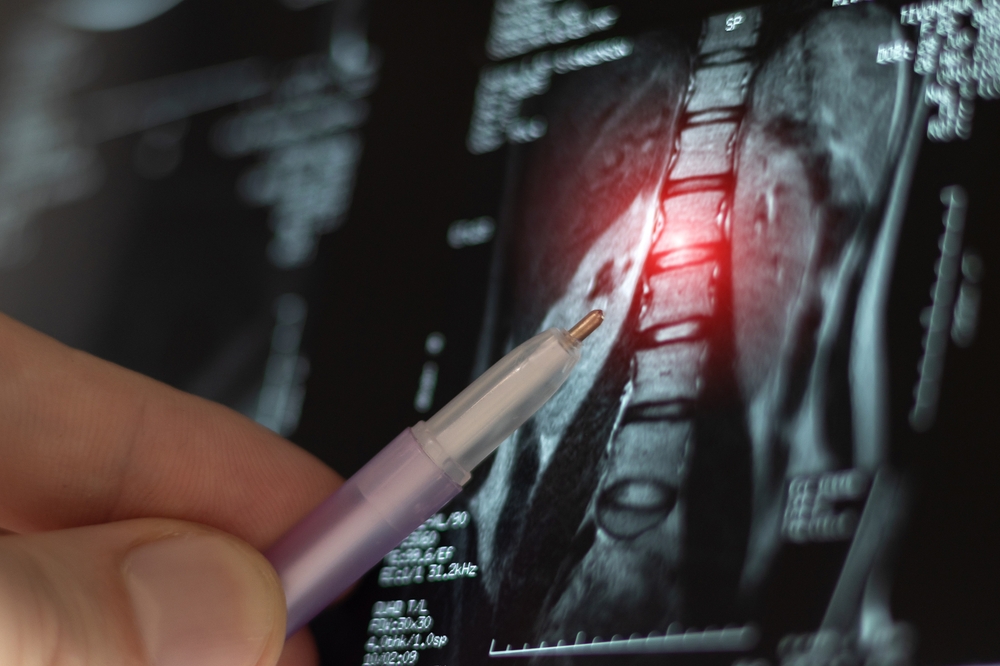
 Many people wait until pain becomes severe before seeking spine care. By that point, damage may already be advanced. Early spine care helps identify problems when they are easier to manage. Proactive treatment focuses on preserving function rather than reacting to loss. This approach reduces the likelihood that invasive procedures will be needed later.
Understanding Spine Degeneration
Spinal conditions often develop gradually over time. Poor posture, repetitive strain, and minor injuries can contribute to long-term wear. These small changes may not cause immediate pain, which leads many patients to ignore early symptoms. Over months or years, however, the spine can lose stability and flexibility. Degeneration then places more stress on surrounding joints and nerves. Addressing these issues early can slow or even halt this progression.
Value of Early Diagnosis
Accurate diagnosis is the foundation of effective spine care. Imaging, physical exams, and patient history help providers understand the true source of discomfort. Early identification allows care teams to target the root problem instead of only treating symptoms. This reduces the risk of chronic pain patterns developing. It also prevents patients from compensating with poor movement habits. Clear diagnosis supports safer and more efficient recovery plans.
Conservative Treatment Options
Most spine conditions respond well to non-surgical treatment when addressed early. Physical therapy, guided exercise, and lifestyle changes are often effective. Early spine care emphasizes these conservative methods before structural damage becomes severe. Patients learn how to strengthen supporting muscles and improve alignment. Pain is managed through controlled and measured strategies. This pathway protects natural movement while reducing reliance on invasive procedures.
Patient Education Role
Education is a key part of successful spine care. Patients who understand their condition are more likely to follow treatment plans. They also recognize warning signs sooner in the future. Instruction on posture, lifting techniques, and daily habits supports long-term stability. Education builds confidence in self-management. This partnership between provider and patient improves outcomes over time.
Long-Term Outcome Benefits
Preventive care supports better quality of life. Patients maintain mobility and independence longer. They also experience fewer flare-ups and setbacks. Consistent care reduces overall healthcare costs associated with advanced treatment. Early spine care contributes to these benefits by keeping conditions manageable. The result is a more stable and predictable recovery path.
Protecting Spinal Health
Proactive spine care focuses on preservation rather than repair. Conservative pathways offer reliable results for many common conditions. By addressing problems early, patients reduce the risk of surgery later in life. This approach supports long term function and daily comfort.