
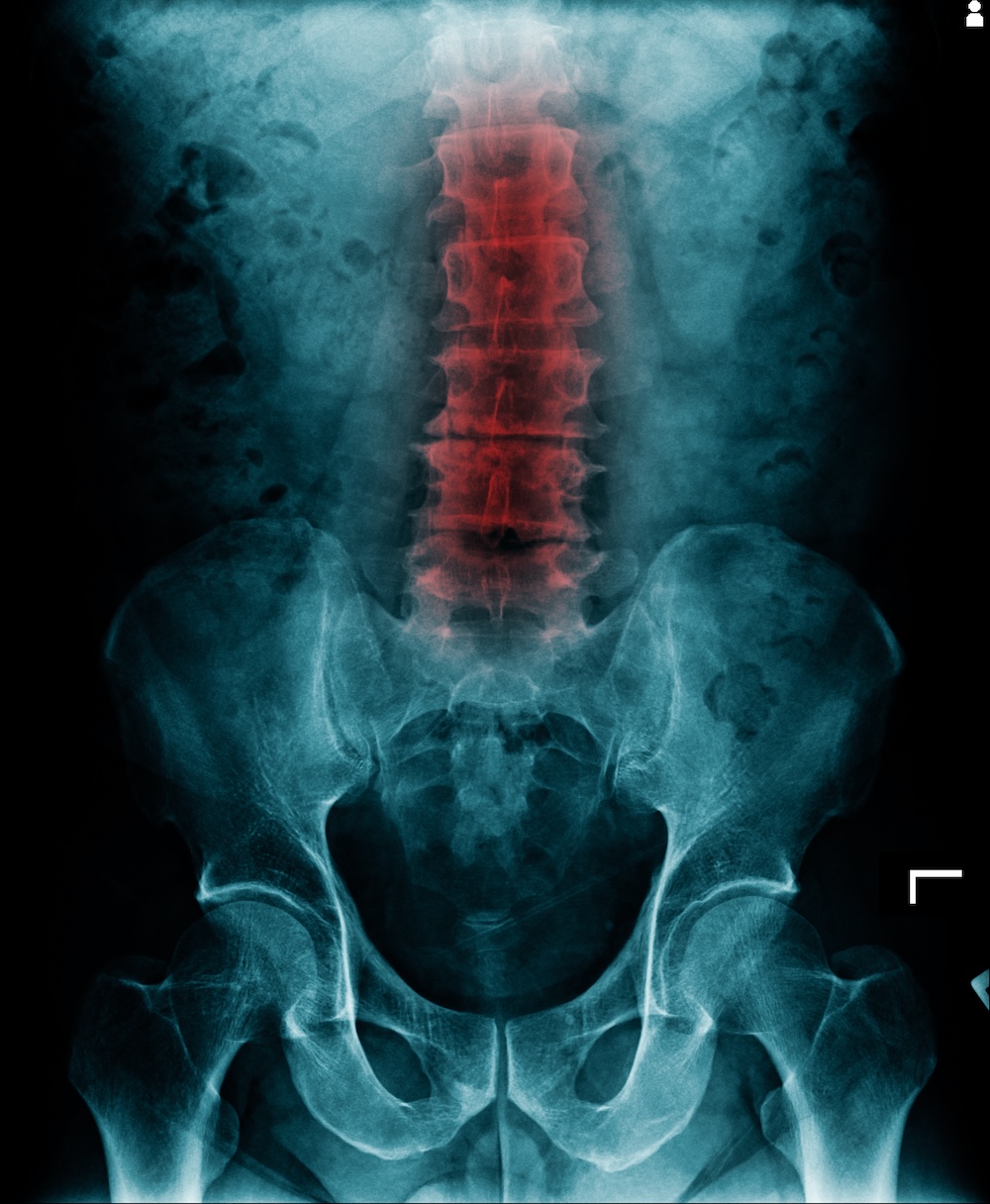
 Want to prevent degenerative disc disease and keep your spine healthy for years to come? While aging plays a key role in disc degeneration, simple lifestyle changes can slow its progression and ease symptoms. From exercise and proper body mechanics to quitting smoking and maintaining a healthy weight, small steps make a big difference. Strengthening your core, staying active, and fueling your body with the right nutrients all support spinal health. With the right habits, you can prevent degenerative disc disease from disrupting your life and stay mobile for the long haul.
You may be able to prevent degenerative disc disease (DDD), or limit its effects, by making lifestyle changes to lower your weight, get more exercise, stop smoking, and more.
DDD is mostly an age-related process, so it can’t be prevented entirely. It develops as the shock-absorbing cushion (disc) between adjacent spinal vertebrae (spinal bones) deteriorates.1
Hospital for Special Surgery. Degenerative disc disease.
DDD is usually the first event in a cascade of changes that may lead to arthritis and possible complications such as spinal stenosis. In some cases, surgery may be recommended.
Exercise
Physical exercise is recommended to help reduce pain in people with degenerative disc disease, although it’s important to speak to your healthcare provider about the exercises you can safely do.
Strength training and lifting are important for preserving the spine, especially back and core (abdominal) muscles. Stretching is valuable but a focus on mobility, including regular aerobic activity and walking, is a priority in preventing DDD.
Biking and swimming are great options for aerobic exercise. They both use more core muscles than walking, which helps engage the muscles used to stabilize the spinal column.
Body weight exercises are a great option and don’t require any equipment because they utilize your body’s own forces, such as weight and gravity. Here are a few examples of strength-building exercises for your back that don’t require any equipment:
- Bridging
- Planks
- Supermans
Other options include exercise with resistance bands and weight training.
With age, people lose muscle mass, a condition known as sarcopenia. It is crucial to maintain and even build more muscle to support the joints of the body, especially the spine, with age. Weight training is the best way to build muscle mass, which promotes healthier aging by allowing you to stay independent in your daily life tasks.
If walking doesn’t give you pain, try to include it in your regular program.1 Walking is pretty easy on the joints overall, but it still helps increase circulation and muscle endurance, and it’s good for your heart. The American Council on Exercise recommends taking a 30-minute walk (or other aerobic activity) about five times per week as a way of generally supporting your health.
Water-based workouts can reduce the load on your spine and joints. This especially helps when degenerative changes progress or become “bone on bone,” which means the disc and its shock-absorbing capacity have eroded away. Most communities offer water exercise classes at different skill levels.
Symptoms of Degenerative Disc Disease
Signs and symptoms of degenerative disc disease (DDD) include:
- Sharp pain that occurs with a specific movement, like twisting. The pain can affect your legs or arms, depending on which disc or discs are affected.
- Numbness or tingling in your arms or legs
- Weakness in the affected parts of your body
Some people may be more susceptible to developing DDD due to genetics or a prior injury. Your healthcare provider will complete an exam, likely with imaging studies, to diagnose DDD.
Mindful Body Mechanics
Employing proper body mechanics while moving is essential towards overall joint health. Proper technique can help you to lift safely, or even sit at your work desk without stressing your spine.
Poor form increases strain on joints and the surrounding muscles. This increases the risk of developing degenerative changes, especially if done on a repetitive basis. Smart mechanics help your body to maintain muscle balance and spinal health.
Some strategies for employing proper body mechanics in daily life include:
- Engaging your gluteal, hamstring, and quadriceps muscles. Use these muscles instead of your lower back when doing common movements such as bending over when cleaning, gardening, and moving objects.
- Practicing pilates or yoga, which trains the connected body and mind to move through a full range of motion. This actively engages the crucial stability muscles to protect your joints and spine.
- Maintaining proper ergonomics while sitting and standing throughout the day. This will help activate the muscles which stabilize the spine and is especially important as more people work in the home environment.
Stop Smoking
Studies show that smoking tobacco affects degenerative disc disease in more than one way. Smoking can constrict blood vessels responsible for delivering nutrients to the disc. It also limits the body’s ability to build and maintain bone.
Some studies identify permanent damage in heavy smokers. Even if people stop smoking, they recover only 75% of the normal function.
The smoking habit may also make your back pain worse. In general, it’s believed that smoking increases pain perception, though this is still being studied. For example, a 2016 study found that male smokers who underwent major surgery required more pain relievers post-operatively than non-smokers.
Avoid Vibration
Studies have demonstrated degenerative disc changes in people whose occupations keep them exposed to vibrations. These groups include truck and tractor drivers, as well as bus operators.
Certain vibration frequencies reduce the fluid cushion and increase stress on spinal bones. If you already have DDD, the exposure appears more likely to worsen your condition. You may need to consider the work-related impacts of your profession, hobbies, or frequent road travel.
Maintain Healthy Weight
Extra weight places pressure on the muscles, bones, and joints in your body, including the discs between your spinal vertebrae. Although more research is needed, some studies suggest that overweight and obesity are linked with the development of DDD.
Losing the extra pounds and maintaining a healthy weight can help you to manage DDD symptoms.
Change Your Diet
There is no diet-based cure for DDD, but foods and supplements that support the musculoskeletal system may help preserve your discs. Likely the most helpful is vitamin D.
A 2016 study involving 110 patients with degenerative disc disease found that nearly half had a vitamin D deficiency. The researchers state that more studies—particularly ones that evaluate a variety of populations—are needed before vitamin D can be definitively recommended, though.
In some studies, vitamin D is associated with a lower fracture risk. It has also been suggested that caffeine intake may play a role in DDD, but there’s not enough research on this topic to know for sure.
Alternative Therapies
While therapies like massage may not help you to prevent DDD, some people report benefits in managing their symptoms when they try alternative or complementary therapies. Talk with your healthcare provider about acupuncture, massage, and other alternative therapies.
Get Surgery
If other preventative measures don’t seem to be working and you are experiencing consistent pain, a healthcare provider may recommend surgery. Surgeries that may help with degenerative disc disease include:
- Discectomy, which is the most common surgery for DDD and involves removing part of the disc to relieve pressure on the nerve
- Artificial disc replacement, or removing the injured disc and inserting a prosthetic “spacer” into its place
- Spinal fusion, which may be recommended for more severe cases and involves the removal of the disc and the permanent joining of the vertebrae below and above the space where the disc was
Recovery time varies depending on the surgery and your individual circumstances, but people can generally resume everyday activities about four weeks after a DDD procedure.
Summary
If you’re looking to slow the progression of degenerative disc disease, focus on moving your body. Avoid a sedentary lifestyle by engaging in daily mobility work as well as aerobic exercise. You can strengthen your body with activities such as lifting, bodyweight exercises, Pilates, or band work.
Improving your diet can help you to fuel your body with healthy foods. You also can consider working with a healthcare provider (physical therapist or sports medicine practitioner, for example) to promote proper biomechanics tailored to your specific lifestyle.
Original article published on verywellhealth.com