
 Manage scoliosis symptoms with the right strategies and care. Living with scoliosis can be tough, but there are ways to ease discomfort and improve posture. Explore effective methods like stretching, posture correction, and exercises. By following these tips, you can take control of your condition and feel better each day. Continue reading to learn more about ways to manage scoliosis and live a healthier pain-free life!
Living with scoliosis can be tough. It is important to know how to manage it. This can help reduce pain and keep good posture. In this post, we will share useful tips to ease symptoms. We’ll discuss the types of scoliosis and how they can affect daily life. We’ll also look at non-surgical treatments like massage therapy and yoga. Core strength, symmetry, and back bracing are often recommended. If you or someone you care about has a spinal curve, read on. You will find helpful insight on improving your daily life with stretching exercises.
Scoliosis Causes
Scoliosis can happen for several reasons. One common type of scoliosis is idiopathic scoliosis, which is the most common type and has no known cause. There is also neuromuscular scoliosis, a specific type of scoliosis caused by conditions like cerebral palsy or spina bifida. Older adults may experience degenerative scoliosis as their bodies age. Genetics can play a part too, as scoliosis often runs in families. Other causes can include degeneration of spinal discs, which can happen with arthritis or osteoporosis. Knowing the exact cause of scoliosis is very important. It helps in making a proper treatment plan for each person based on their specific condition. Understanding these causes is key to treating scoliosis effectively.
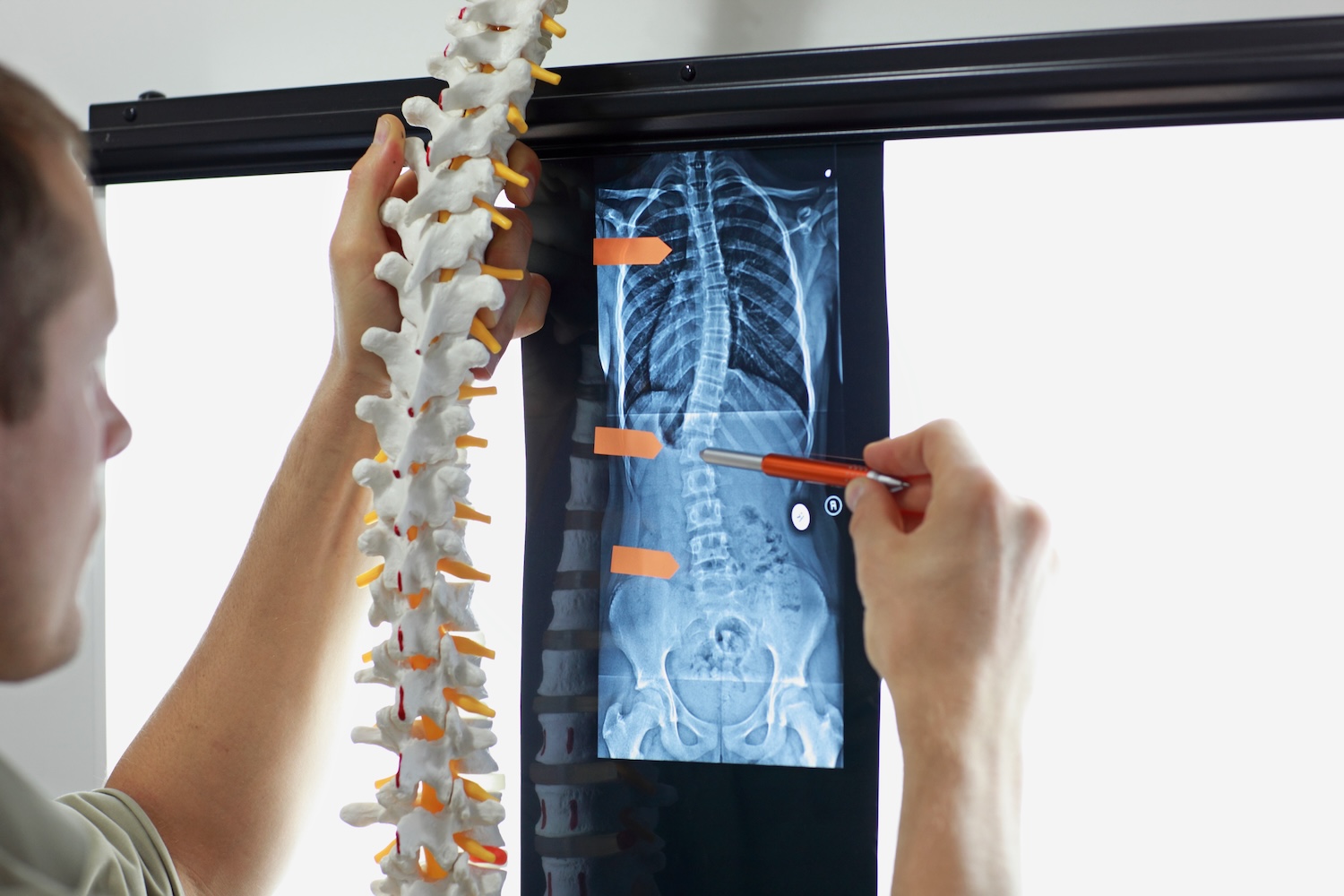
Early detection of scoliosis often occurs through school screenings. A physical exam is followed by an X-ray or magnetic resonance imaging (MRI) to establish a diagnosis of scoliosis related to the spinal curve. Health care providers consider family history and symptoms like back pain or leg numbness. Regular screenings during pediatric wellness visits help catch the curve early for timely intervention and proper management.
The impact of scoliosis symptoms on daily life
Living with this condition can be tough because it causes pain and discomfort in the back and neck. Doing the right stretches, like plank exercises and yoga poses, can help you move better. These activities can also make your core muscles stronger, which includes your abdominal muscles. They improve your alignment and posture while helping to reduce the spinal curve related to the condition. Before starting any exercises, it is crucial to talk to a physical therapist. They can help you avoid activities that might worsen the symptoms of scoliosis or lead to its progression.
Complications Associated with Scoliosis
Scoliosis can cause back pain, breathing issues, muscle spasms, and in severe cases, heart problems. Surgery may be necessary if the spinal curve worsens quickly and leads to a reduced range of motion. Neglecting scoliosis symptoms can lead to other complications like changes in bowel habits and mental health issues. Early detection and proper management can improve quality of life, although scoliosis surgery carries some risks that should be discussed with a doctor beforehand.
What are the symptoms of scoliosis?
The main sign of mild scoliosis is when the spine bends and twists to the side. This can lead to signs of mild scoliosis such as uneven shoulders, hips, or waist and could cause some pain. Sitting for long periods can make these symptoms worse. Regular stretching and exercise can help with scoliosis symptoms and improve posture.
What are the risk factors for scoliosis?
The condition causes a curve in the spine, called scoliosis. This curve can happen because of genes, age, gender, or health issues like cerebral palsy. Bad posture and sitting for a long time can make scoliosis symptoms worse. To help, stretching exercises can make you more flexible. They also help strengthen the muscles that support the spine, reduce pain, and improve posture.
Understanding posture and scoliosis
To manage stretches for scoliosis well, you need to know how posture plays a role. Bad posture can make back pain worse. Doing gentle stretching exercises can help your spine feel more flexible and reduce symptoms. Exercises like yoga and Pilates are good for strengthening the core. They can also help improve posture and manage scoliosis, as long as you pay attention to proper technique.
How to improve your posture with scoliosis
To improve your posture, lie flat on your back. Keep your hips and shoulders in a straight line. Make sure your lower back is flat against the mat. Engage your abs during this. Next, lift your right leg and raise your arms over your head. As you do this, lower your leg toward the mat while reaching your arms to the opposite side of your body. After that, repeat this with your left side. This exercise helps with alignment and corrects your pelvic tilt.
The importance of core strength in managing scoliosis
To manage this condition, it is important to have a strong spine. This can be achieved by doing core strength exercises. Stretching can help increase flexibility in the spine and the muscles around it. You can also improve your posture by doing yoga, Pilates, or similar exercises. However, it is best to talk to a healthcare professional before starting any of these activities.
The Relationship Between Scoliosis and Daily Activities
The relationship between scoliosis and daily activities is significant, as the spinal curvature can impact various aspects of everyday life. Activities like sitting for long periods, lifting heavy objects, or engaging in physical exercise can exacerbate scoliosis symptoms. It’s crucial to be mindful of posture during these activities, as poor alignment can lead to increased discomfort and pain. Simple adjustments, such as using ergonomic furniture, taking frequent breaks to stretch, and being aware of movement techniques, can help mitigate these effects. Engaging in low-impact exercises, like swimming or walking, can also promote spine health and overall well-being. By making conscious choices in daily routines, individuals can better manage their scoliosis and enhance their quality of life.
Understanding the different types of scoliosis
Scoliosis has four types: idiopathic, congenital, neuromuscular, and functional. Early detection is crucial to prevent curve progression and ease symptoms. Stretching exercises can alleviate back pain from spinal curves, particularly in adult idiopathic scoliosis cases. Seeking guidance from medical professionals on techniques like yoga poses can help maintain body alignment and reduce back pain related to pelvic tilt or lumbar spine changes. Understanding the different types of scoliosis is essential for symptom management and preventing curve progression.
What is lumbar scoliosis?
Lumbar scoliosis is a curve in the spine that affects the lower back. It can cause leg pain and discomfort when standing or sitting for long times. Stretching can help reduce the symptoms of scoliosis. It improves flexibility and lowers muscle tension on the side of the spine. It’s a good idea to talk to a healthcare professional before starting any stretching exercises.
Treating moderate scoliosis without surgery
Managing moderate spinal curves without surgery requires a special exercise plan. A ScoliSMART doctor or physical therapist can help create this plan. The exercises may help reduce back pain and improve posture. They focus on important muscles like the abdominal muscles, lower back, hip flexors, and latissimus dorsi.
Some helpful stretches include:
- Pelvic tilts
- Hamstring stretches
- Seated spinal twists
- Plank exercises
- Bird-dog exercises
- Yoga poses
In some cases, back bracing may be suggested. However, for serious cases in growing children, doctors may use a treatment called an expandable rod. This involves attaching rods to the spine or ribs. The length of these rods can be adjusted as the child grows. This method can help avoid surgery.
Impact of Ignoring Scoliosis Symptoms
Ignoring cases of scoliosis symptoms can lead to a cascade of complications that significantly impact overall health and well-being. As Oheneba Boachie-Adjei, MD, explains, as the spinal curvature worsens, individuals may experience increased pain and discomfort not only in their back but also in other parts of the body due to compensatory actions. This can interfere with daily activities, leading to a more sedentary lifestyle, which further exacerbates health issues such as obesity and cardiovascular disease. In severe cases, neglecting scoliosis can result in respiratory difficulties, as the deformity can hinder lung function. Additionally, emotional well-being may suffer, with feelings of frustration or depression stemming from chronic pain and restricted movement. Therefore, timely intervention and proactive management are essential to mitigate these risks and enhance quality of life for those affected by scoliosis.
Click here to continue reading
Original article published on treatingscoliosis.com