

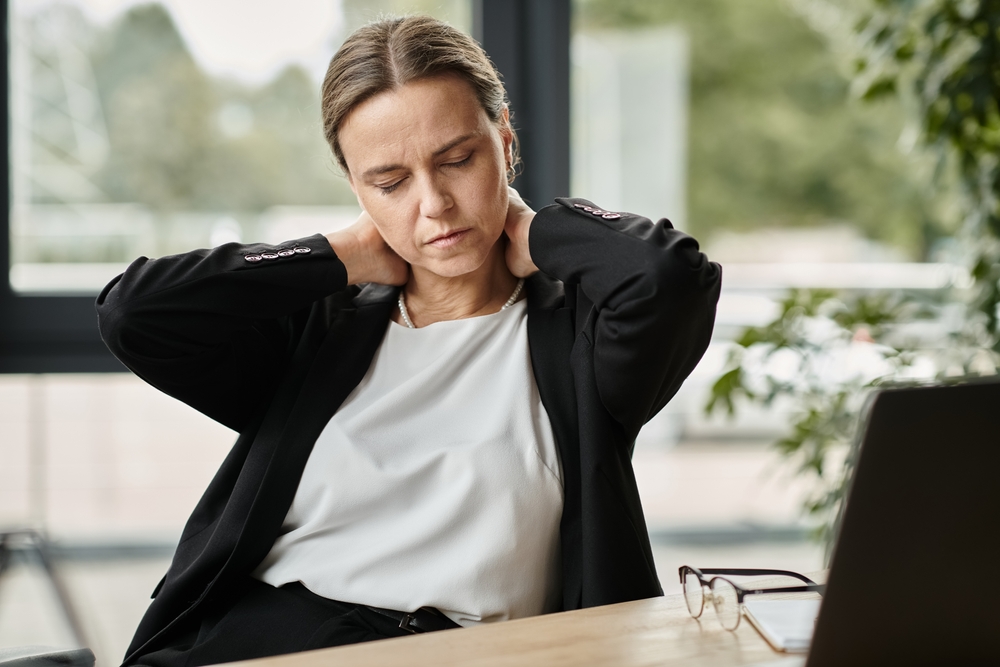
 Stress influences both mental and physical well-being, often creating patterns of discomfort that users may not immediately recognize. Many people experience back pain during periods of heightened stress, even when no direct injury has occurred. This connection reflects the close relationship between emotional strain and musculoskeletal function. Understanding how stress affects the spine can help individuals take proactive steps toward better health. By identifying triggers and using effective coping strategies, people can improve both mental stability and physical comfort.
Stress and Physical Response
The body reacts to stress through muscle tension, which frequently concentrates in the neck, shoulders, and lower back. When this tension becomes persistent, it can contribute to spinal misalignment or discomfort. The long-term effects of repeated muscle tightening can make everyday movements more difficult. Individuals experiencing these symptoms often describe stiffness or sharp aches that worsen during busy or emotionally demanding periods. Recognizing these early signs is important for maintaining spine stress health and preventing chronic pain.
Impact on Posture
Stress can also influence posture, which affects how the spine supports the body. People under pressure may sit rigidly or slump forward without realizing it. Both patterns place uneven strain on the spinal structures. Over time, this strain can create imbalances that lead to discomfort or decreased mobility. Awareness of posture habits during stressful moments can support better spine stress health and reduce unnecessary physical strain.
Cognitive Effects and Pain
Mental overload affects how the brain processes pain signals. During stressful periods, the nervous system may become more sensitive, making minor discomfort feel more pronounced. This heightened awareness can create a cycle where stress leads to pain, and pain increases stress. Breaking this cycle often requires a combination of mental and physical strategies. Techniques such as mindfulness, structured breaks, and controlled breathing can help regulate cognitive responses and reduce pain perception.
Stress Reduction Techniques
Effective stress management can significantly improve spinal health. Regular exercise helps release tension and supports muscular balance around the spine. Simple stretching routines can also improve flexibility and reduce stiffness. Individuals may benefit from setting boundaries around work and personal commitments to lower emotional strain. Consistently practicing these habits can prevent stress from manifesting as physical discomfort.
Professional Support Options
Some people may require guidance from healthcare professionals to address stress-related spine issues. Specialists can evaluate posture, muscle function, and lifestyle factors that contribute to discomfort. Treatment plans may include physical therapy, ergonomic adjustments, or targeted exercises. Mental health professionals can also support coping skills and stress resilience. Combining these resources ensures a comprehensive approach to improving overall well-being.
Strengthening Mind and Body
A balanced approach to stress management supports both emotional and physical health. Understanding how mental strain affects spinal function allows individuals to make informed choices about daily habits. Small, consistent adjustments can reduce pain and improve mobility. By addressing stress early, people can maintain a healthier and more comfortable lifestyle.