

 As temperatures drop, many people notice a change in how their bodies feel—especially in the spine. Cold weather can have a significant impact on spine health, often causing discomfort and stiffness that can make daily tasks challenging. Understanding how colder weather affects the spine and taking proactive steps to support it can make a big difference in maintaining comfort and mobility throughout the winter months. Here, we explore why spine health in colder weather becomes more critical and offer practical tips to help prevent pain and discomfort during the chilly season.
Why Cold Weather Affects Spine Health
Cold weather can cause muscles, tendons, and ligaments around the spine to tighten, leading to stiffness and discomfort. When temperatures drop, blood flow can decrease in certain areas, which means less oxygen reaches these tissues. This can result in muscle soreness and restrict joint movement, particularly around the spine. Additionally, the drop in barometric pressure that often accompanies colder weather can lead to joint inflammation, which many people experience as increased tension and pain. To maintain spine health in colder weather, it’s essential to understand these physiological responses and adopt measures to combat them.
Warming Up: The Importance of Staying Active
Staying active is a powerful tool for supporting spine health in colder weather. When it’s cold, it’s tempting to stay indoors and be less active, but regular movement keeps the spine flexible and prevents stiffness. Low-impact activities like walking, yoga, or gentle stretching indoors can keep the blood flowing to your spinal muscles, preventing them from tightening up. Even short bursts of activity several times a day can significantly impact spine health, helping to reduce the effects of cold weather on muscles and joints. Remember, a warm body is a flexible body, so aim to move around and stay warm even when indoors.
Dressing for Spine Health
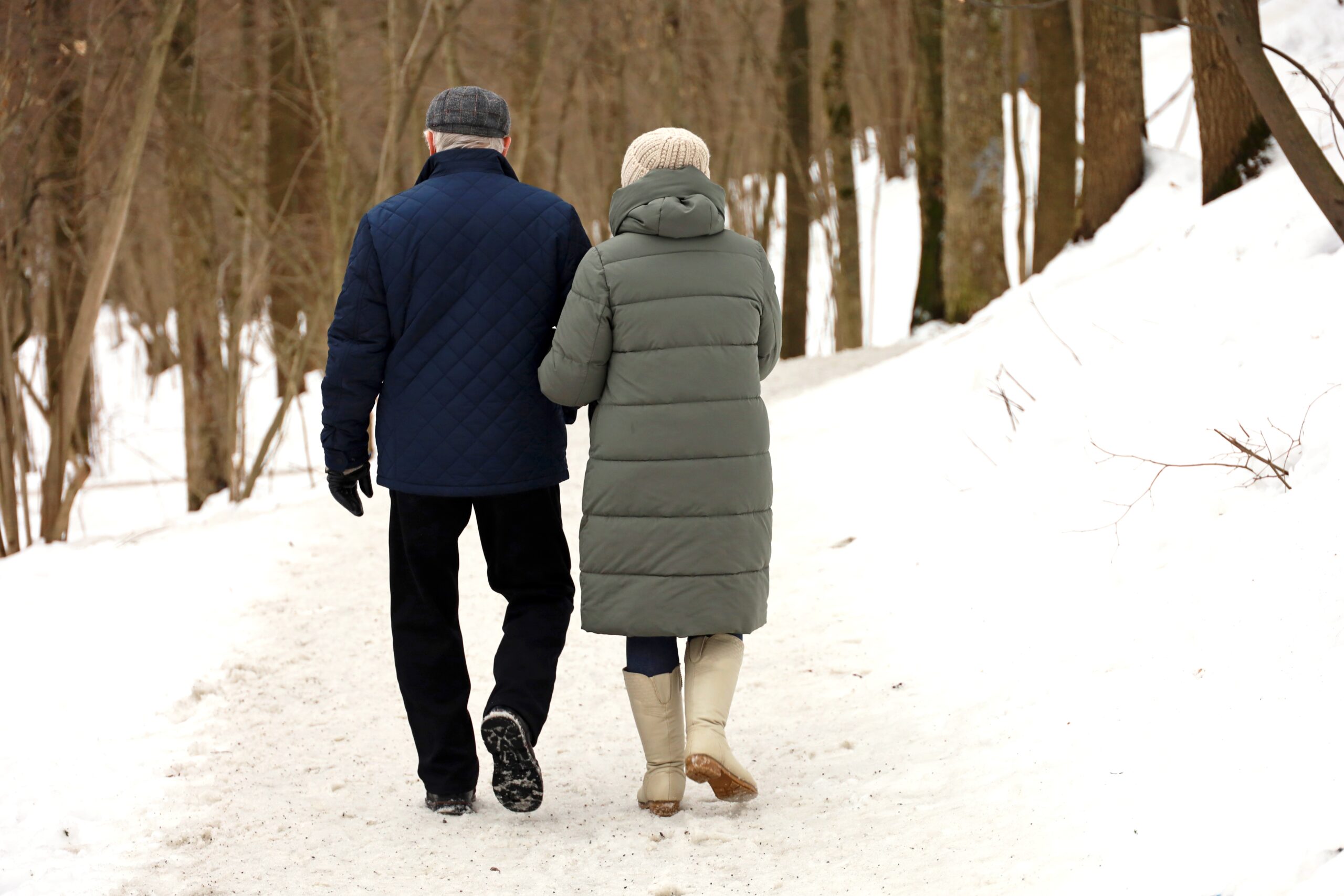
What you wear can also play a role in spine health in colder weather. Cold muscles and joints are more prone to tension and injury, so dressing warmly—especially around the core and lower back—helps maintain circulation and keeps muscles relaxed. Layered clothing is a practical choice, as it traps heat close to the body, and wearing thermal undergarments or warm scarves around the torso can prevent the back muscles from stiffening up. Choosing supportive footwear is also essential, as proper alignment starts from the ground up. Warm and supportive clothing can provide your spine with the support it needs to stay limber in colder conditions.
Self-Care Exercises and Stretches for the Spine
Self-care physical therapy exercises and stretches are excellent for promoting spine health in colder weather. Gentle stretches, particularly for the lower back and shoulders, can relieve tension and improve flexibility. Focus on slow, controlled movements that warm up the muscles, like cat-cow stretches or gentle spinal twists. Low-resistance strength exercises can also build muscle support around the spine, making it more resilient against cold-induced stiffness. Stretching in the morning and evening, along with taking breaks to stretch throughout the day, can help prevent the buildup of muscle tension that colder temperatures can cause.
Colder weather doesn’t have to mean enduring spine discomfort. By understanding the effects of cold on the body and taking preventive measures—like staying active, dressing warmly, and incorporating regular stretching—you can support your spine health and maintain mobility throughout the winter months. Small adjustments can make a substantial difference, allowing you to enjoy the season without compromising your comfort. Embrace these strategies for spine health in colder weather, and protect your back from seasonal aches and stiffness.