
 Scoliosis is a medical condition that causes the spine to curve abnormally, most often in a sideways “S” or “C” shape. While mild cases may go unnoticed, more significant curves can lead to discomfort, mobility issues, and long-term health complications. The condition can appear at any age but is most commonly diagnosed during adolescence. Early detection and appropriate treatment are critical to preventing further complications. This post outlines what scoliosis is, how it affects the spine, and the treatment options available today.
What Is Scoliosis?
Scoliosis refers to a sideways curvature of the spine that occurs most often during the growth spurt just before puberty. It can be caused by congenital spine deformities, neuromuscular conditions, genetic factors, or may develop without a known cause (idiopathic). The condition ranges in severity and may progress over time if left untreated. Common signs include uneven shoulders, a tilted waist, or one hip higher than the other. While scoliosis itself is not always painful, it can lead to back pain or breathing difficulties in more advanced cases.
Effects on Spinal Function
The curvature associated with scoliosis alters the normal alignment of the vertebrae, potentially placing pressure on nerves, muscles, and internal organs. Over time, this misalignment can lead to muscle fatigue, chronic back pain, or restricted movement. Severe cases can impact lung capacity and heart function due to rib cage compression. Scoliosis can also cause postural imbalance, making physical activities more challenging. These effects vary by patient and depend on the degree and location of the curvature.
Diagnosing Scoliosis
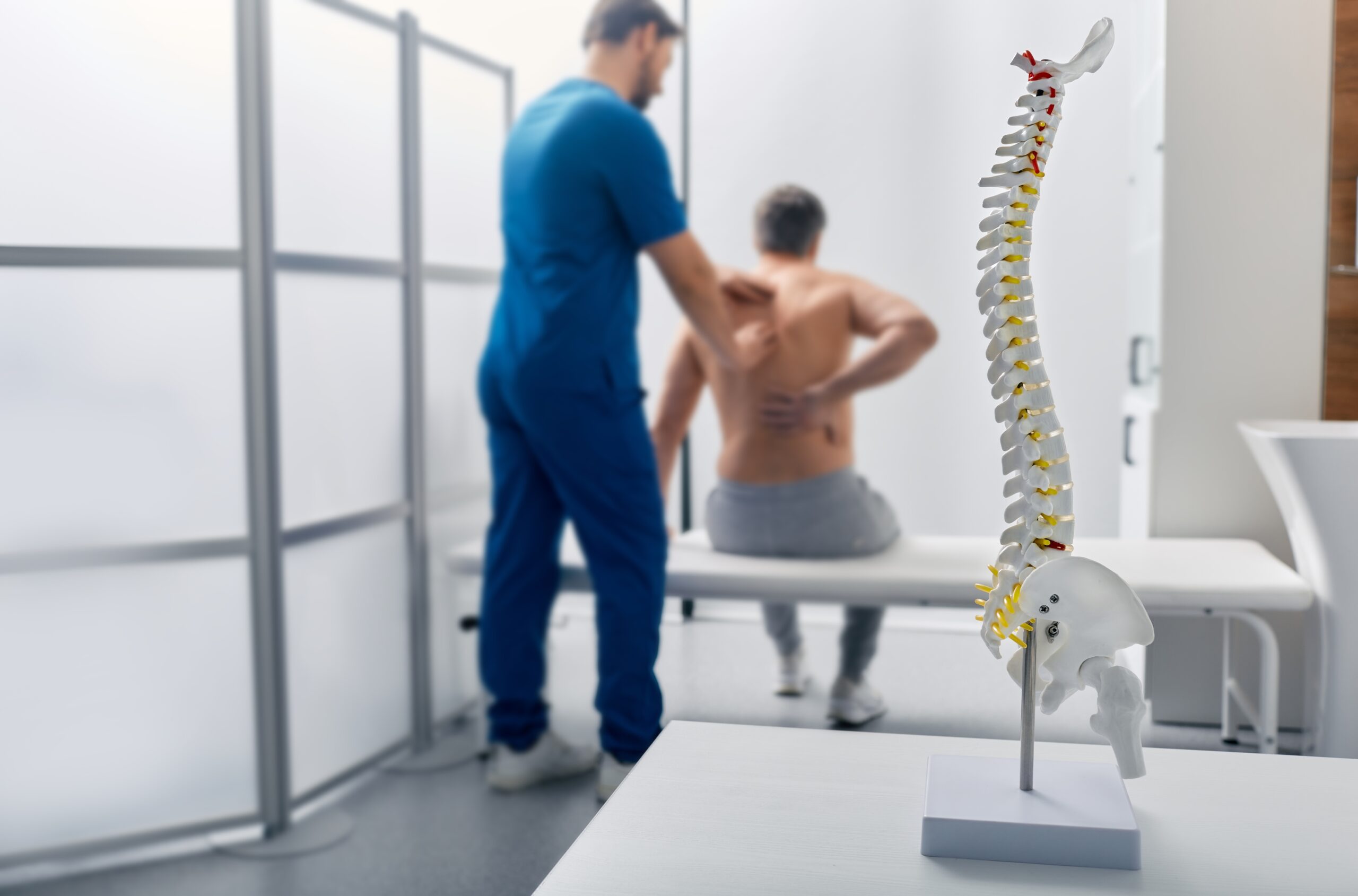
Accurate diagnosis typically involves a physical examination and imaging tests such as X-rays, MRI, or CT scans. During an exam, a physician may look for asymmetry in the shoulders, back, and hips, often using the Adam’s Forward Bend Test to detect visible curvature. Imaging helps determine the angle of curvature, known as the Cobb angle, which guides treatment decisions. Mild curves are usually monitored over time, while more severe curves require intervention. Early diagnosis is crucial, as progression is more likely during periods of rapid growth.
Non-Surgical Treatment Options
For many patients, especially those with mild to moderate scoliosis, non-surgical approaches can effectively manage symptoms and prevent progression. Physical therapy is commonly recommended to strengthen the muscles surrounding the spine and improve posture. Bracing is often prescribed for children and adolescents to prevent the curve from worsening during growth. Pain management techniques, including targeted exercises, may also be part of a comprehensive treatment plan. These conservative methods are typically the first line of defense.
Surgical Interventions for Severe Cases
In cases where the spinal curve exceeds 40–50 degrees or causes significant pain and functional limitations, surgery may be recommended. The most common procedure is spinal fusion, which involves fusing two or more vertebrae together to prevent further curvature. Surgeons may use rods, screws, or bone grafts to stabilize the spine. While surgery carries risks like any major procedure, it can provide long-term relief and improved alignment for patients with progressive scoliosis. Recovery involves physical therapy and a gradual return to normal activities over several months.
Choosing the Right Treatment Path
Treatment for scoliosis depends on several factors, including age, curve severity, and overall health. At Prairie Spine, a multidisciplinary team evaluates each patient’s condition to develop an individualized care plan. Combining diagnostic expertise with both surgical and non-surgical treatment options ensures that patients receive the most appropriate care. Regular follow-ups are essential to monitor changes and adjust treatment as needed. Patient education and early intervention remain key to long-term spine health and quality of life.
Taking Control of Spine Health
Living with scoliosis doesn’t mean living with discomfort or limitations. Understanding how the condition affects the spine—and what treatments are available—can empower patients to make informed decisions about their care. With proper management, many people with scoliosis lead active, healthy lives. Whether through observation, therapy, or surgery, early action plays a critical role in preserving spinal function and overall well-being.