

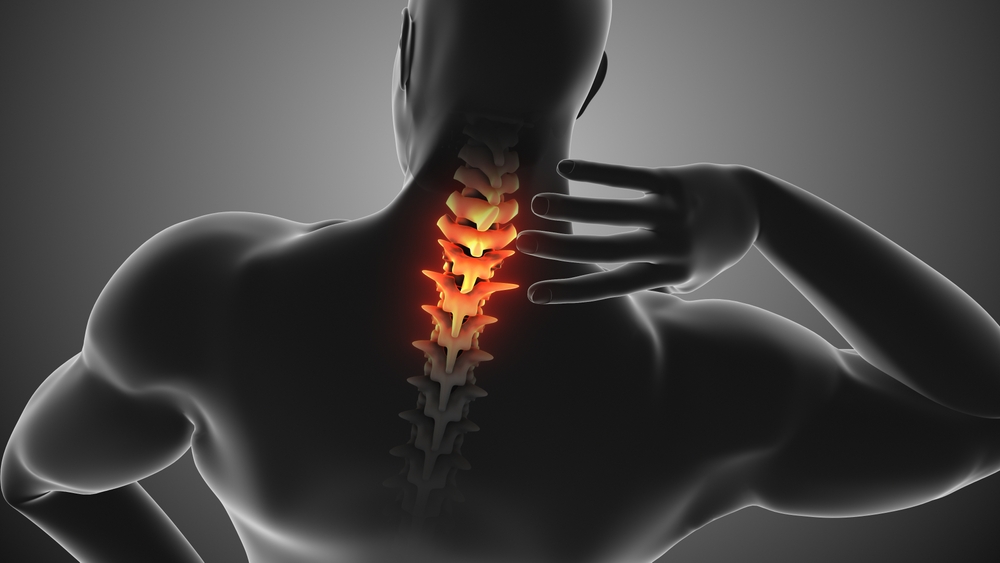
 Back treatments and remedies are at the center of the conversation as millions of people search for effective ways to manage and relieve chronic back pain. Back pain affects daily life, emotional well-being, and overall mobility, making it one of the most common health concerns worldwide. From physical therapy to lifestyle changes, non-surgical options are gaining attention for their safety and long-term benefits. Understanding the causes, impact, and available back treatments and remedies can help individuals make informed decisions and regain a better quality of life.
Understanding the Prevalence and Impact of Back Pain
Back pain is a big health problem worldwide. It affects many people at some point in their lives. It also puts a big strain on healthcare systems and economies.
Statistics on Back Pain Occurrence
Back pain is a top cause of disability globally. Many adults suffer from lower back pain, with some cases lasting a long time. Here are some important statistics:
| Condition | Prevalence | Impact |
|---|---|---|
| Chronic Back Pain | Affects approximately 80% of adults at some point | Leads to significant disability and healthcare costs |
| Lower Back Pain | Common among adults, often persisting for months | Impacts daily activities and quality of life |
Common Causes of Chronic Back Pain
Chronic back pain can come from many sources. These include muscle issues, degenerative diseases, and lifestyle choices. Knowing these causes helps in finding the right treatment.
- Muscle strain due to overuse or improper lifting
- Degenerative disc disease
- Poor posture and biomechanics
The Physical and Emotional Toll of Persistent Back Pain
Persistent back pain hurts not just physically but also emotionally. It can cause depression, anxiety, and lower quality of life. We need to tackle back pain from all angles.
Why Non-Surgical Back Treatments Are Gaining Popularity
More people are choosing non-surgical back treatments for chronic pain. It’s important to know why this is happening.
Limitations and Risks of Surgical Interventions
Surgery for back pain has big risks and downsides. These include surgery complications, long recovery times, and not always fixing the pain. Many are looking for safer options.
Benefits of Conservative Treatment Approaches
Non-surgical spine treatments have many advantages. They often mean less recovery time, fewer risks, and a more natural pain relief. Many find these methods very effective.
| Benefit | Non-Surgical Treatments | Surgical Interventions |
|---|---|---|
| Recovery Time | Typically shorter | Often longer |
| Risk of Complications | Lower | Higher |
| Pain Management | Holistic approach | May not always be effective |
Patient Preferences for Natural Solutions
There’s a big move towards natural back pain solutions. People want treatments that are safe and work well. They’re looking for alternatives that are both effective and safe.
Understanding the downsides of surgery and the upsides of non-surgical treatments helps us see why they’re more popular. It shows why many prefer these options.
Evidence-Based Back Treatments for Chronic Pain Relief
Managing chronic back pain requires understanding and using proven treatment methods. Chronic back pain is complex and needs a full treatment plan.
Physical Therapy Approaches
Physical therapy is key in treating chronic back pain. It includes exercises to boost flexibility and strength, manual therapy, and teaching on posture and body mechanics. Physical therapy can lessen pain, improve function, and better your life quality.
Injection Therapies
Injection therapies, like corticosteroid injections and nerve blocks, can help with chronic back pain. They can lessen inflammation and stop pain signals to the brain. But, they’re usually considered when other treatments don’t work.
When to Consider Medical Interventions
Some chronic back pain cases need medical help. It’s important to talk to healthcare experts to find the right treatment. This depends on the pain’s cause and how severe it is.
Some important points for medical interventions include:
- Severe pain that makes daily activities hard
- Neurological symptoms, like numbness or weakness
- Not getting better with other treatments
Knowing about evidence-based treatments helps people make better choices for their care. This way, they can work towards relieving chronic pain.
Click here to continue reading
Original article published on int.livhospital.com