

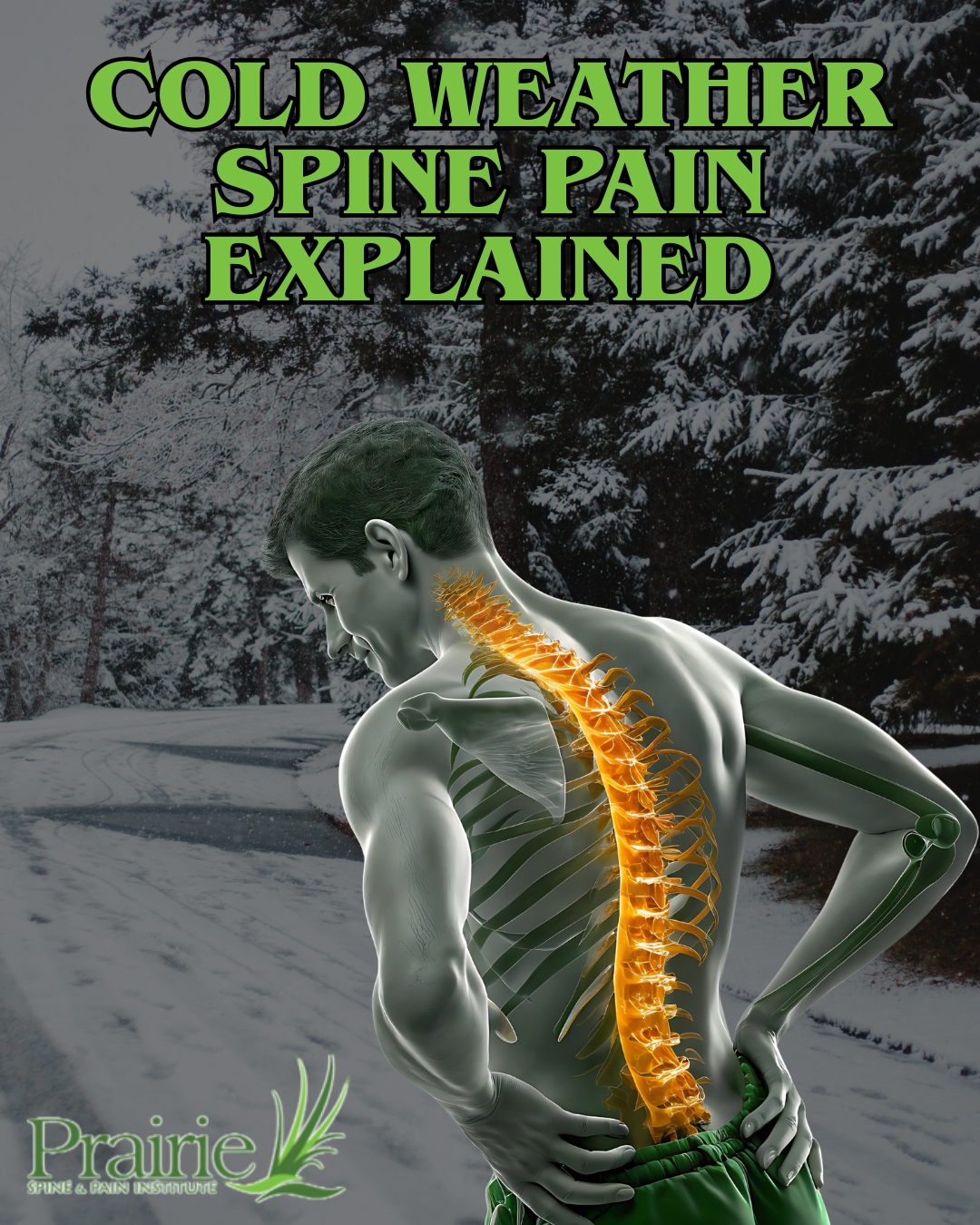
 Cold months often bring noticeable changes in how our bodies feel, especially in the back and neck. Many patients report increased stiffness, soreness, or limited movement when temperatures drop. Understanding why these changes happen can help people manage symptoms more effectively. This article explains what drives winter-related discomfort and how to respond. It also clarifies when a professional evaluation may be helpful.
Temperature and Tissues
Cold temperatures can reduce blood flow to muscles and soft tissues. This reduction may cause muscles to tighten and become less flexible. When tissues lose elasticity, normal movements can feel more strained. Joints may also produce less lubricating fluid in colder conditions. These factors together can contribute to cold-weather spine Pain for some individuals. People with prior injuries or chronic conditions often notice these effects more clearly.
Inflammation and Sensitivity
Inflammation can respond to environmental changes, including temperature and humidity. Cooler weather may increase nerve sensitivity around affected joints. Swelling in spinal structures can place added pressure on nearby nerves. This pressure often leads to sharper or more persistent discomfort. For many patients, cold-weather spine Pain feels different from warm-weather symptoms. Tracking these changes can help guide treatment decisions.
Posture and Activity
Winter habits often involve more time sitting indoors. Reduced movement can weaken supporting muscles around the spine. Poor posture while working or relaxing adds additional strain. Heavy clothing may also limit natural movement patterns. Over time, these factors can worsen cold-weather spine Pain. Simple posture awareness can make a measurable difference.
Daily Management Strategies
Consistent movement helps keep joints and muscles functioning well. Gentle stretching supports flexibility and circulation. Applying controlled heat can relax tight tissues. Supportive footwear reduces stress on the lower back. Patients should also maintain proper hydration and balanced nutrition. These steps often improve overall comfort during colder months.
When to Seek Care
Persistent pain should not be ignored. Numbness, weakness, or radiating pain may signal nerve involvement. Sudden changes in bladder or bowel control require immediate medical attention. A professional evaluation can identify structural or inflammatory causes. Early care often leads to better outcomes. Patients benefit from personalized guidance based on their specific condition.
Planning for Winter Comfort
Cold weather does not have to mean ongoing discomfort. Understanding physical changes allows patients to take practical steps toward better spine health. Small daily habits can reduce strain and improve mobility. With informed choices and timely care, many people maintain comfort throughout the winter season.