

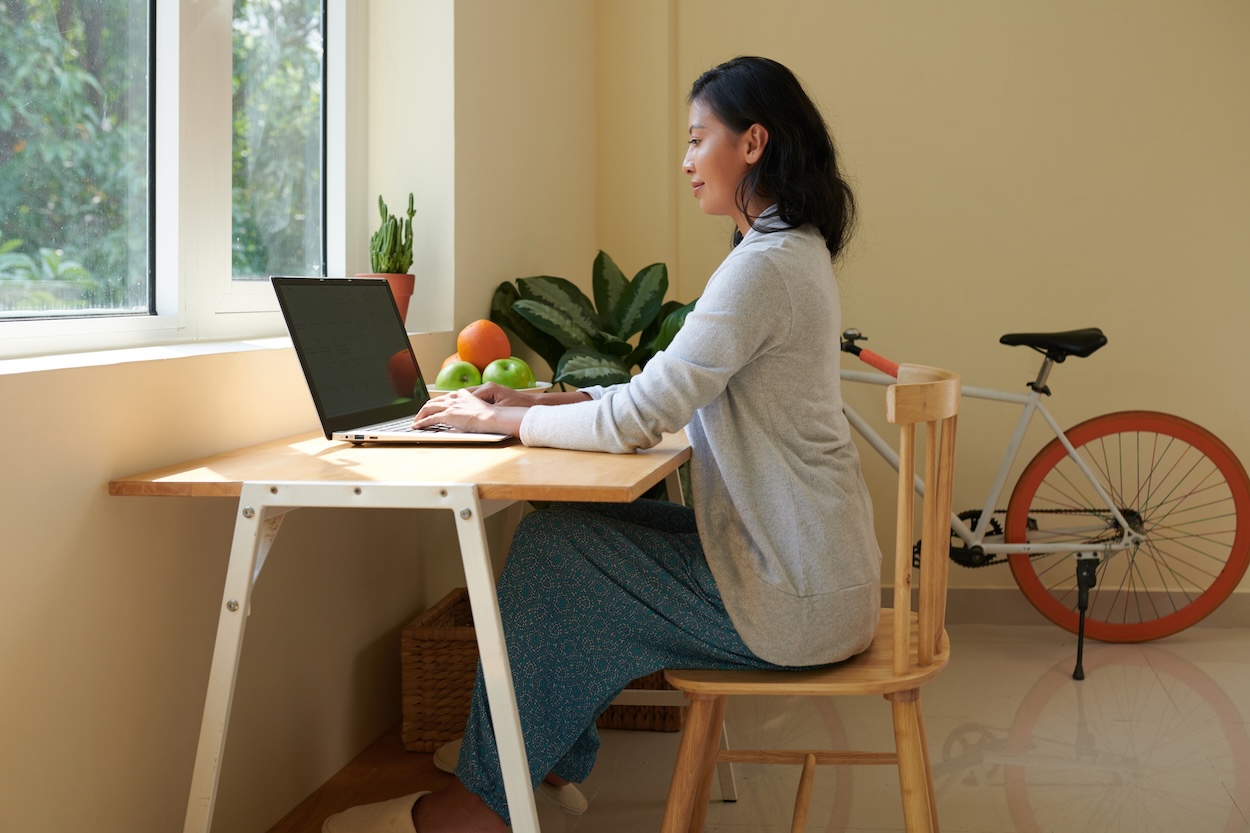
 Back pain relief is something millions of people search for every day as discomfort in the lower or upper back can interfere with work, sleep, and daily life. Whether it’s caused by poor posture, muscle strain, injury, or underlying conditions, understanding the source of the pain is the first step toward managing it effectively. Simple lifestyle adjustments like improving posture, staying active, using heat or ice therapy, and performing gentle stretches can make a significant difference. In some cases, professional treatments such as physical therapy or medical care may also be necessary to address persistent symptoms. By learning practical strategies and healthy habits, you can take meaningful steps toward lasting back pain relief.
Finding relief for back pain and getting the appropriate treatment may depend on the cause. Back pain has various causes, including injuries, structural problems, bad posture, arthritis, and osteoporosis. Certain risk factors, such as age, excess weight, and smoking, can increase your risk for back pain.
Symptoms of back pain may include:
- Back spasms
- Increased pain with lifting and bending
- Pain with resting, sitting, and standing
- Back pain that improves and comes back
- Stiffness, especially after periods of inactivity
- Pain that radiates in the buttocks, hips, and legs
- Numbness or weakness in the legs
This article explains all the ways to relieve back pain, including self-care, alternative therapies, medical treatments, surgery, and more.
8 Tips for Back Pain Relief
Try these tips to manage back pain and other back symptoms.
Sleep With Your Spine in a Neutral Position
The best sleep positions are ones that keep the spine and head as neutral as possible.2 In a neutral position, the spine stays at its optimal posture with the chin up, shoulders low, back straight, knees relaxed, and hips aligned with the shoulders.
For back and neck pain, the Sleep Foundation recommends sleeping on your side with a pillow or blanket between the knees. You will want to pick a pillow with a thickness that matches the distance between the neck and shoulder, which allows the neck to stay aligned with the spine with side sleeping. The proper alignment will help prevent pain and soreness.
Maintain Your Posture
Common everyday activities like sitting at a desk for long hours, slumping over a laptop on your couch, or scrolling your phone can put stress on your spine. Research shows that a slumped sitting position is a significant source of lower back pain.
It is always a good idea to pay attention to your posture. If your shoulders start to scrunch up toward your neck or your back or if your back starts to form into a “C” shape, you will start to experience neck or back pain.
Here is how to maintain your posture:
- While sitting in a desk chair, keep your head and neck directly over your trunk, relax the shoulders, and keep your feet flat on the floor.
- While standing, stand straight and tall with your abdomen pulled in and your weight on the balls of your feet.
Ice and Heat
Ice and heat are easy ways to manage back pain. According to the National Institute of Arthritis and Musculoskeletal and Skin Diseases (NIAMS), cold packs can help reduce inflammation and swelling related to back pain.5 On the other hand, a heating pad can increase blood flow to promote muscle and tissue healing. Both methods are safe for managing back pain.
To use ice to manage back pain, use cold compresses for 20 minutes every few hours. Avoid applying ice directly to the skin, especially along the bones of the spine. Wrap your cold pack with a dry towel.
Heat can help relax tight muscles and stiff joints. It can be applied with a commercial heating pad or a hot water bottle.
Heat and cold therapies can speed up the healing of muscle strains in the back. As soon as you injure yourself, ice your back to reduce pain and swelling. Apply ice for the first two days. Apply heat to the back on the third day for pain relief.
Slowly Start Moving Again
Healthcare providers do not recommend rest for a sore back. Research shows that restriction of activity, including bed rest, does not offer relief and might even prolong your recovery and return to normal activities.
Rather than resting, consider limiting activities that cause you pain. You can gradually increase your activity level based on your ability to handle it.
If moving is challenging, consider breaks of standing and sitting or even a little bit of movement. Research shows that any amount of movement can relieve lower back pain.9
Set an alarm and get up every half hour or so to stand, stretch, or go for a short walk. Stretching from your sitting position or adjusting your sitting position can also help.
Gentle Back Stretches
Exercises that stretch the back, hip, and stomach muscles can help prevent and relieve lower back pain.10 These include walking, riding a stationary bike, and low-impact aerobics.
Back muscle training exercises may also help protect your back by stretching and strengthening core muscles that support the spine, including the back, abdominal, buttocks, and upper leg muscles.
The following muscle-strengthening and stretching exercises, done at least two times a week, can help reduce back pain and strengthen your back muscles:10
- Knees to chest stretch
- Pelvic tilts
- Hip bridge exercises
- Supine position exercise
- Spinal extension and flexion
Check with a physical therapist or healthcare provider to ensure any exercises you plan to do are safe for you given the source of the back pain and other conditions you may have.
Click here to continue reading
Original article published on verywellhealth.com