

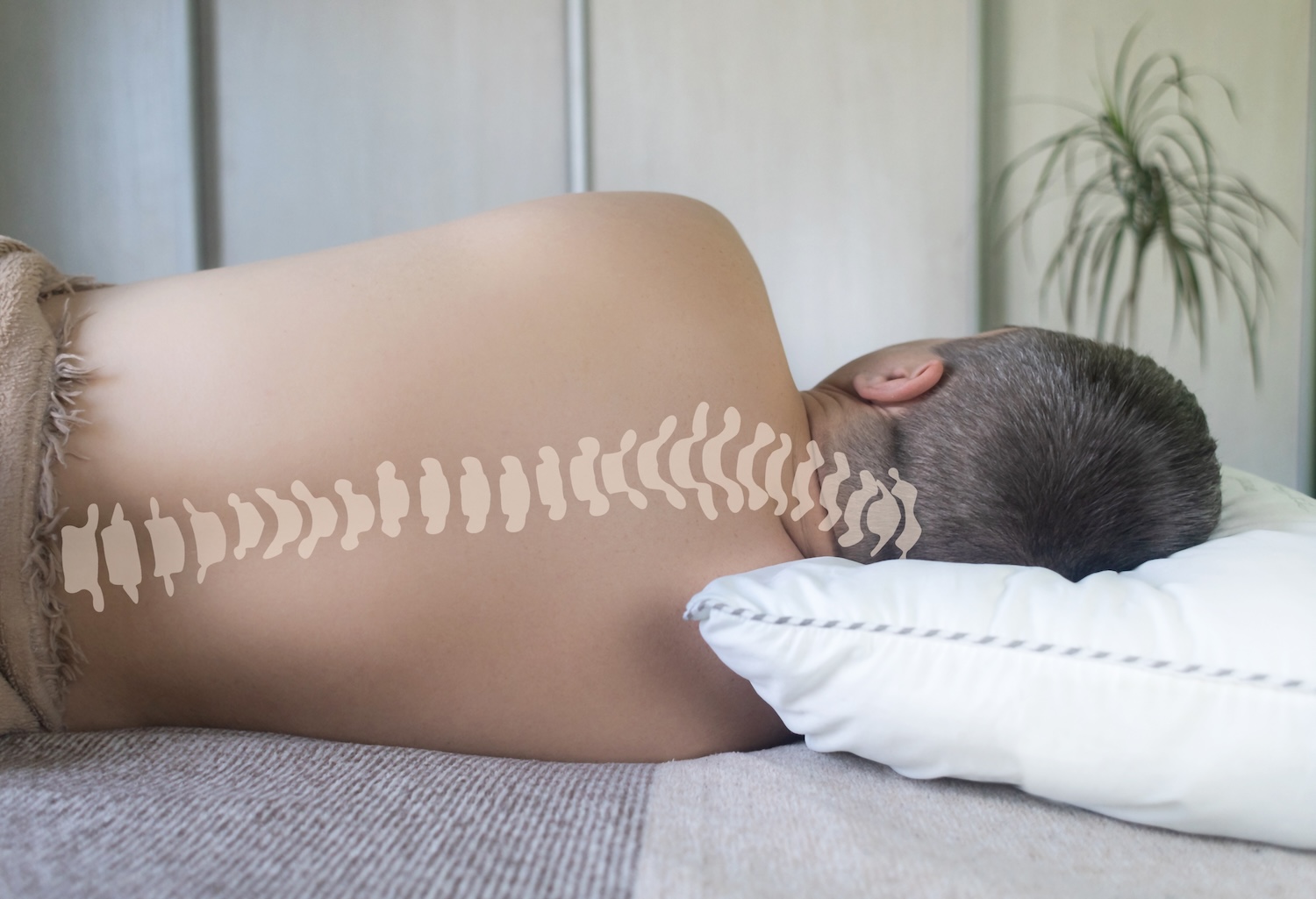
 Many people underestimate how much sleep quality impacts overall health, especially spine health. Back pain and poor sleep are closely linked, with each condition worsening the other if left unaddressed. Poor rest can strain the body, reduce healing, and make daily discomfort more intense. On the other hand, back pain often disrupts the ability to fall and stay asleep. Understanding this connection can help you take steps toward healthier sleep and reduced spinal discomfort.
How Sleep Affects the Spine
Sleep plays a critical role in the body’s repair processes, including muscle recovery and spinal alignment. When sleep quality is poor, tissues and joints do not receive the restorative benefits they need. This lack of recovery often makes existing back pain worse, and it can even contribute to the development of chronic pain conditions. Sleep deprivation also heightens sensitivity to pain, making discomfort feel more severe than it actually is. By improving sleep quality, individuals can support proper spinal health and reduce strain on the back.
Back Pain Disrupting Sleep
Back pain often interferes with the ability to find a comfortable position in bed. Nighttime discomfort can cause frequent tossing, turning, and waking, which lowers overall rest quality. This disruption prevents the body from entering deep sleep cycles, which are essential for healing. As a result, individuals wake up feeling tired and stiff, with back pain persisting throughout the day. Addressing pain sources is key to breaking this cycle of poor sleep and back pain.
Choosing the Right Mattress
A supportive mattress can make a significant difference in spinal health and sleep quality. A mattress that is too soft may cause the spine to sag, while one that is too firm can create pressure points. Ideally, a medium-firm mattress provides balanced support for spinal alignment. Pillows also play a role by keeping the neck and spine in a neutral position. Investing in the right sleep surface can reduce pain and improve nightly rest.
Healthy Sleep Positions
The way you sleep can either relieve or aggravate back pain. Sleeping on the back with a pillow under the knees can reduce pressure on the lower spine. Side sleepers may benefit from placing a pillow between the knees to maintain proper hip and spine alignment. Stomach sleeping is generally discouraged, as it strains the neck and back. Making small adjustments in sleep position can help ease discomfort and promote healthier sleep patterns.
Lifestyle Habits for Better Rest
Improving sleep quality involves more than just posture and bedding. Consistent sleep schedules, reduced screen time before bed, and relaxation techniques can all improve rest. Light stretching or gentle yoga in the evening may also help relax the spine and surrounding muscles. Limiting caffeine and alcohol intake can reduce sleep interruptions. Together, these lifestyle habits support better sleep and reduce the severity of back pain over time.
Moving Toward Healthier Rest
The connection between poor sleep and back pain is clear, but solutions are within reach. By focusing on proper sleep posture, supportive bedding, and healthy routines, individuals can ease discomfort and improve rest. Better sleep quality not only helps reduce back pain but also supports overall well-being. Taking these steps allows for healthier, more restorative nights and a stronger spine.