
 Spinal stenosis is a condition that affects the spinal canal, narrowing the space around the spinal cord and nerves. This narrowing can lead to pain, numbness, and difficulty with movement, often impacting quality of life. While spinal stenosis is most common in adults over 50, it can also occur earlier due to injury or congenital conditions. Understanding its symptoms, how it is diagnosed, and the treatment options available is essential for patients and caregivers. With proper medical evaluation and a clear treatment plan, many individuals can find relief and improve daily function.
Causes of Spinal Stenosis
The most common cause of spinal stenosis is age-related degeneration of the spine. As people get older, natural changes such as thickened ligaments, bone spurs, and herniated discs can reduce the space in the spinal canal. Arthritis, particularly osteoarthritis, also plays a significant role in this process. In some cases, spinal stenosis may be present at birth due to a naturally narrow spinal canal. Injuries, tumors, or previous surgeries can further contribute to the development of this condition.
Recognizing Common Symptoms
Symptoms of spinal stenosis often develop gradually and worsen over time. Patients may experience lower back pain, leg pain, or numbness that becomes more noticeable when standing or walking. Tingling or weakness in the arms or legs is also common, depending on whether the narrowing occurs in the cervical (neck) or lumbar (lower back) spine. Many individuals find that symptoms improve when sitting or leaning forward, as this position can create more space in the spinal canal. Severe cases may lead to balance problems or difficulty controlling bladder and bowel function, which require urgent medical attention.
Diagnosis and Evaluation
A thorough medical evaluation is needed to diagnose spinal stenosis. Doctors begin with a physical exam, assessing reflexes, muscle strength, and range of motion. Imaging tests such as X-rays, MRIs, or CT scans provide detailed views of the spine and help confirm the extent of narrowing. Electromyography (EMG) may also be used to measure nerve function and identify nerve compression. Diagnosis is not only about confirming stenosis but also ruling out other potential causes of similar symptoms. Accurate evaluation ensures patients receive appropriate and effective care.
Nonsurgical Treatment Options
For many patients, nonsurgical treatments can successfully manage spinal stenosis symptoms. Physical therapy strengthens muscles, improves flexibility, and supports better posture. Medications, including anti-inflammatory drugs and pain relievers, can reduce discomfort. In some cases, epidural steroid injections may provide temporary relief by reducing inflammation around the nerves. Lifestyle modifications such as weight management and low-impact exercise can also play an important role. These approaches focus on reducing pain and improving mobility without requiring invasive procedures.
Surgical Approaches When Needed
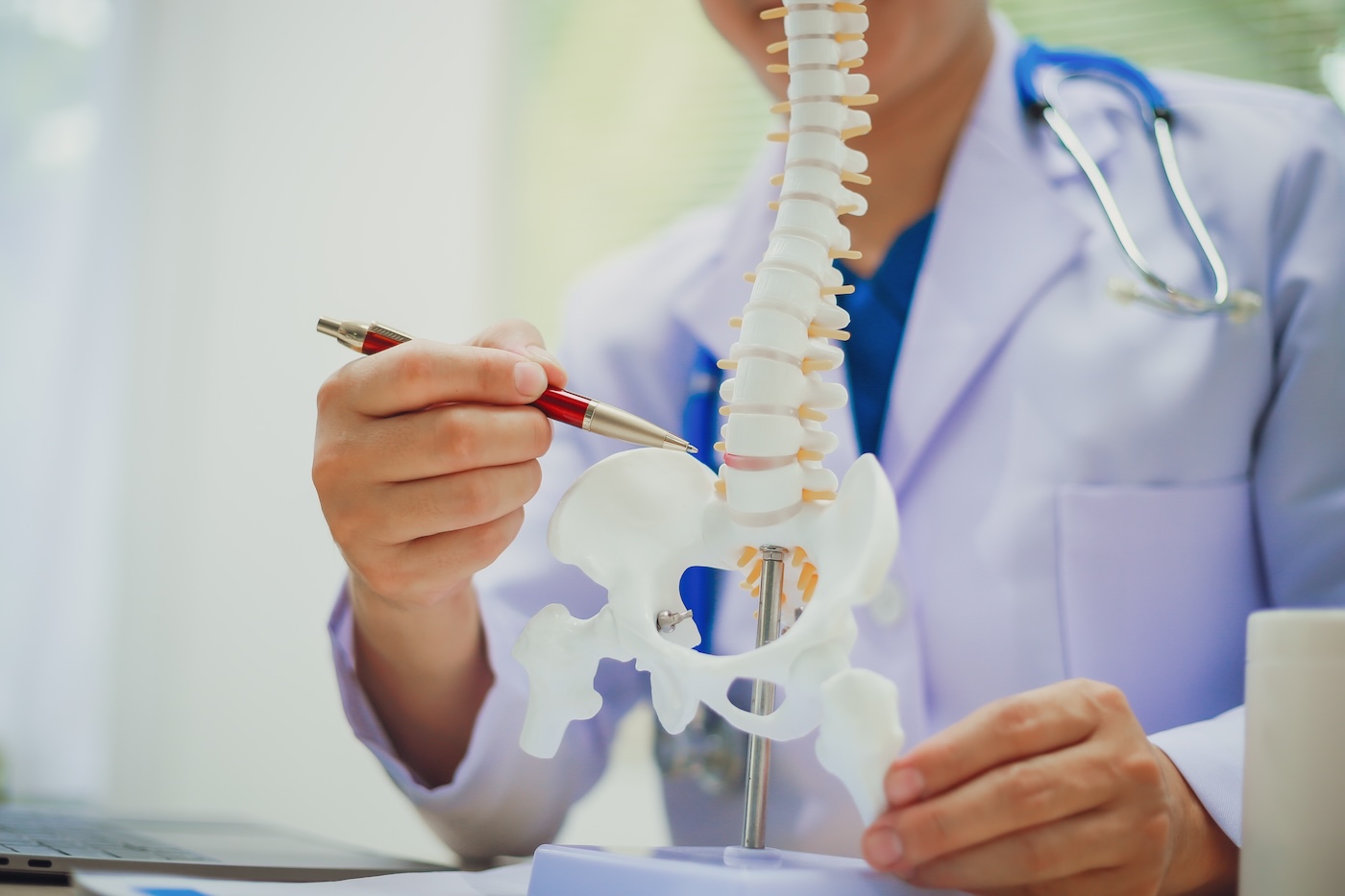
When conservative treatments do not provide adequate relief, surgery may be recommended. The most common procedure is a laminectomy, which removes part of the vertebra to create more space for the spinal cord and nerves. In some cases, spinal fusion may be necessary to stabilize the spine after decompression. Surgical options are generally considered when symptoms significantly interfere with daily life or when nerve function is at risk. Advances in minimally invasive techniques have reduced recovery times and improved outcomes for many patients. A spine specialist can help determine if surgery is the most appropriate step.
Moving Forward With Confidence
Spinal stenosis can present challenges, but it is a condition that can often be managed effectively with the right approach. Early recognition of symptoms and timely diagnosis are key to preventing further complications. Patients should work closely with their healthcare providers to develop a personalized treatment plan that fits their lifestyle and medical needs. With ongoing care and attention, many people with spinal stenosis can maintain mobility, reduce pain, and continue enjoying an active life.