
Your spine is built for movement. When your back or neck hurts, even simple things like turning your head or bending over can be a challenge. Sometimes, injuries or wear and tear can limit how well your spine works.
Your spine doesn’t only support your movement; it supports your quality of life. If you’re dealing with back or neck pain, you may want to look into motion-preserving spine treatments that protect how your spine moves, not just how it heals and feels.
Whether you’re dealing with degenerative disc disease, herniated discs or trauma, preserving motion can help you be comfortable, mobile and independent. Here’s what to know about keeping your spine flexible — and how motion-preserving surgery may help.
What is motion-preserving spine surgery?
Motion-preserving spine surgery is surgery that’s designed to fix spine problems without limiting your movement. It’s different from spinal fusion, which joins two or more bones together and makes your spine less flexible.
“Motion preserving surgery is really any surgery that does not involve a fusion. It is commonly used for surgeries that used to require fusion in the past but now can be treated with techniques that preserve motion,” said Peter Du, MD, a spine surgeon with Banner – University Medicine.
The goal of these newer procedures is to maintain as much natural movement in your spine as possible. They aim to:
- Maintain the natural movement of your spine.
- Reduce stress on other joints in your spine.
- Help you return to your regular activities with less pain and stiffness.
If you’re younger and active or if you have specific disc problems, motion-preserving surgery may be a good choice for you.
Why does spine flexibility matter?
Your spine is made to move. When pain, injury or surgery make you less flexible, it can affect parts of your life, from getting dressed to exercising to working.
Motion-preserving options may help you:
- Keep a greater range of motion compared to spinal fusion
- Feel more comfortable during everyday activities
- Avoid putting too much stress on nearby bones and joints
- Recover more quickly from surgery so you can get back to your activities faster
- Support your everyday movement, posture and flexibility
What are some common motion-preserving options?
Several types of flexible spine treatment options are available.
Artificial disc replacement (ADR)
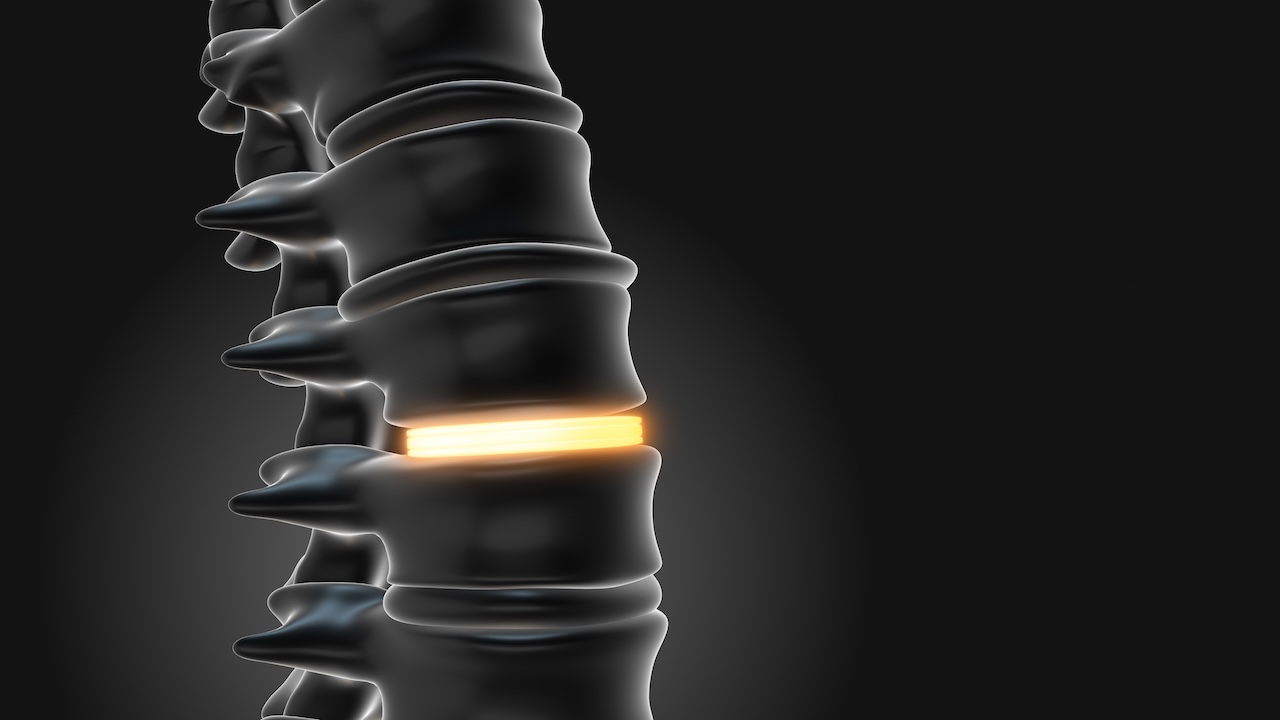
ADR is the most well-known type of motion-preserving spine surgery. With it, health care providers replace a damaged spinal disc with an artificial one that allows your spine to bend and twist more naturally. This device mimics your natural movement. It is most often used in the cervical spine (neck) and the lumbar spine (lower back).
Benefits of ADR may include:
- Preserving motion in your spine
- Faster recovery
- Lower chance of future spine surgery
Laminoplasty
This surgery reshapes the back part of the cervical vertebrae to relieve pressure on the spinal cord.
Laminoforaminotomy
This procedure creates more space for nerves in the cervical spine by removing part of the lamina (a section of the vertebrae) and widening the nerve root opening.
Laminectomy
This surgery removes part of the back of the vertebrae to relieve pressure.
Foraminotomy
Surgery that enlarges the opening where a spinal nerve root exits the spinal canal.
Microdiscectomy
Minimally invasive surgery that removes the part of a herniated disc that is pressing on a nerve.
Is motion-preserving surgery right for you?
Your health care provider will consider factors like:
- Your age and activity level
- Your spine condition and where the damage is in your spine
- Your overall health
- Whether you have other conditions, like scoliosis or severe arthritis
Your health care provider may order tests like MRI or CT scans to see how your spine is working and decide which treatment is safest and most effective for you.
- Minimal arthritis is important because if you have a lot of arthritis, you’ll probably still have pain with motion.
- For large deformities and instability, these motion preserving treatments likely aren’t stable enough.
Keep in mind that experts are still debating motion-preserving procedures.
How can you keep your spine flexible?
Even if you’re not facing surgery, it’s a good idea to take care of your spine every day to keep your back healthy.
It can help to:
- Include gentle exercise like yoga or Pilates
- Strengthen your core muscles to support your back and spinal alignment
- Maintain good posture at work and at home
- Stay at a healthy weight
- Drink plenty of water and eat a balanced diet
- Talk to your health care provider early on if you experience back or neck pain
Original article published on bannerhealth.com